Filed under: Events,Performance
by Alvin G @ 12:36 pm on January 5, 2019
VARA is hosting a vintage racing event at Autoclub Speedway January 18-20 in Fontana, CA.
There will be some exciting Vintage Nissan/Datsun groups running, a Japanese car show and autocross events for everyone to participate.
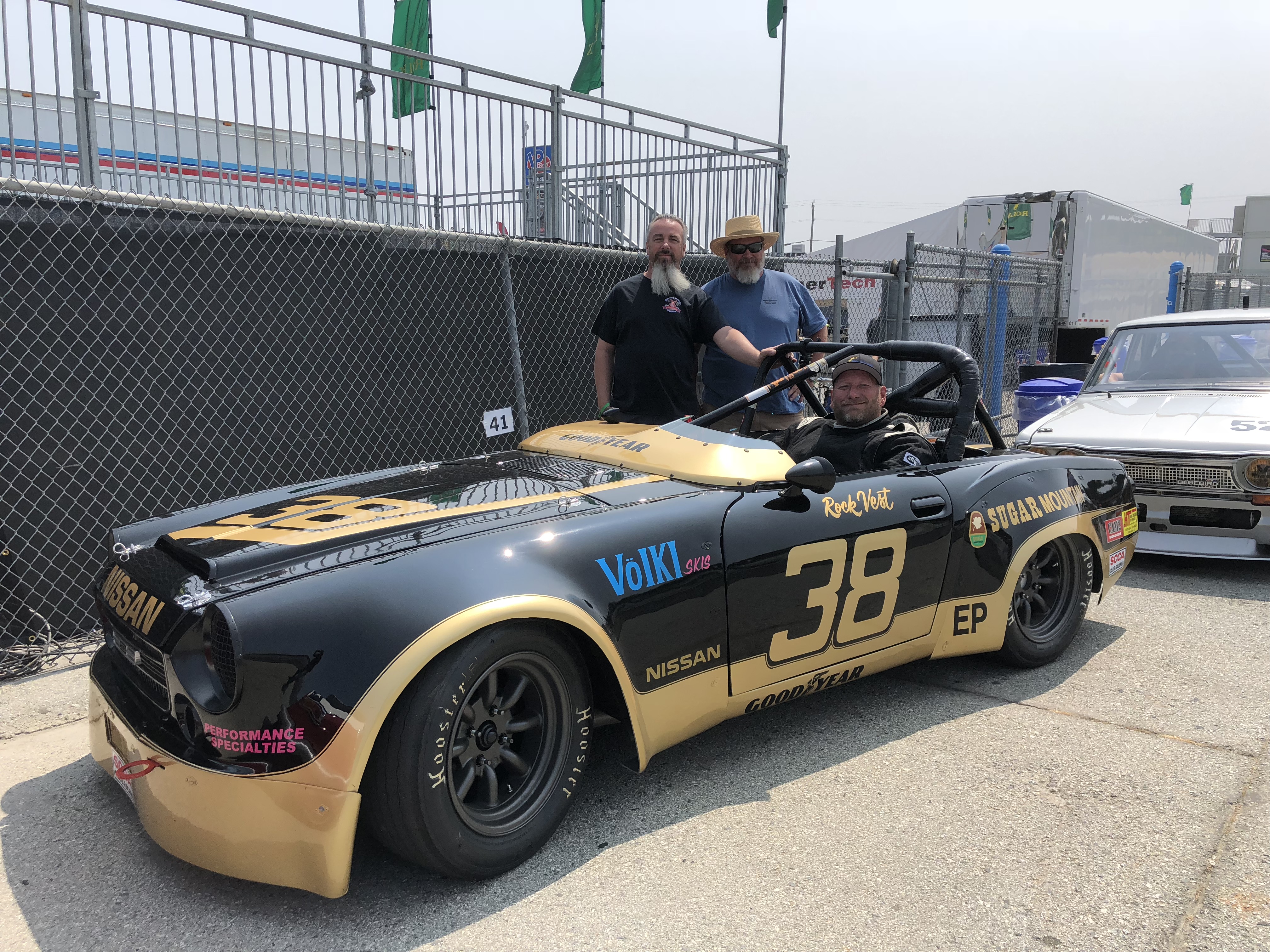
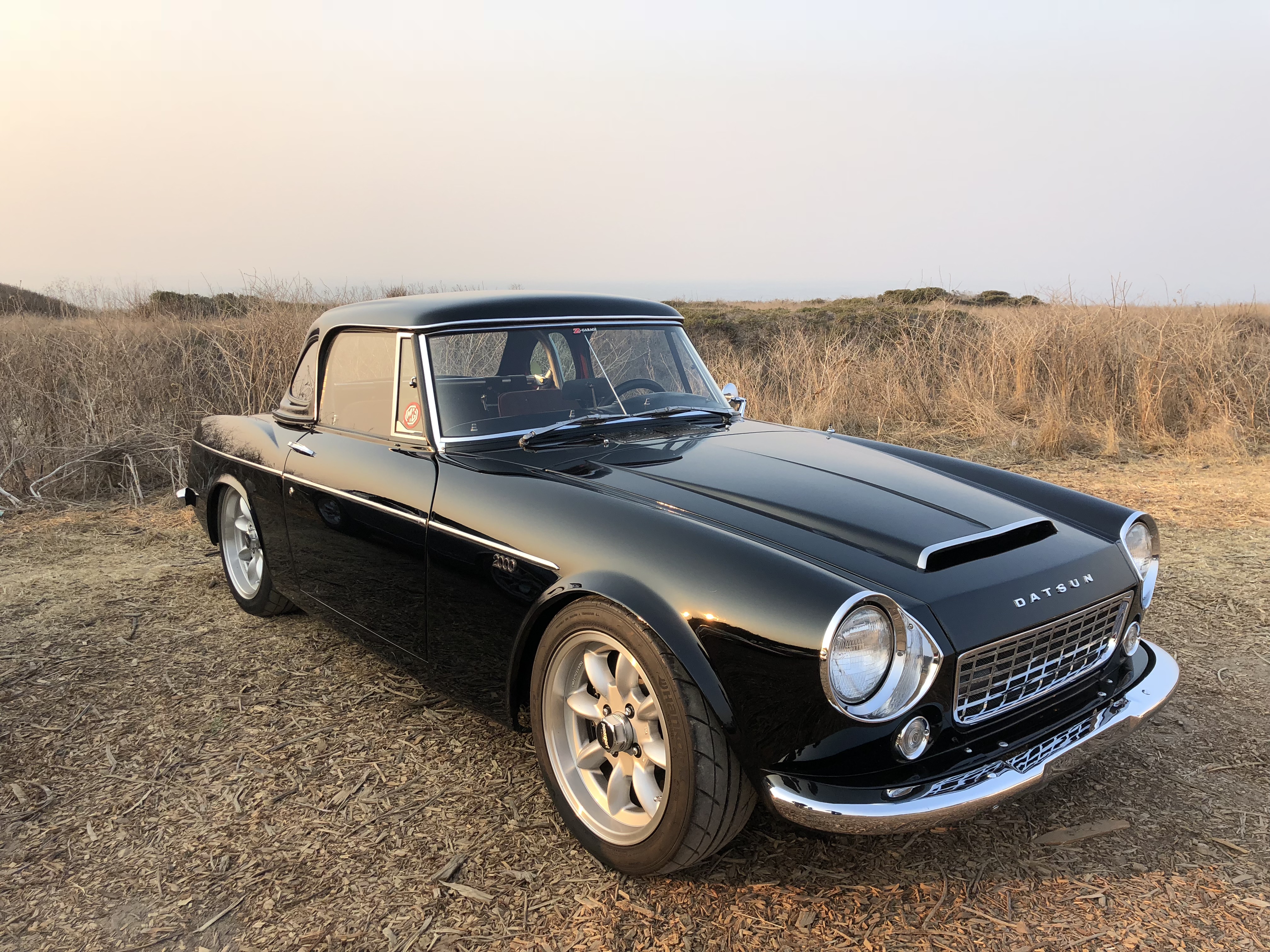
Our friend Mike Anderson will be racing his Rock Vest Datsun 2000 Roadster along with many Datsuns:
Let’s get more Datsuns out there, on the track and in the paddock!
One of the real joys this holiday season is the opportunity to say thank you and wish you the very best for the new year. From all of us at Z Car Garage we thank our friends, family and customers again for another exciting and productive year! Please note our holiday closure below:
ZCG will be closed from 12/21 to New Year’s Day. We will re-open for business on 1/2/19
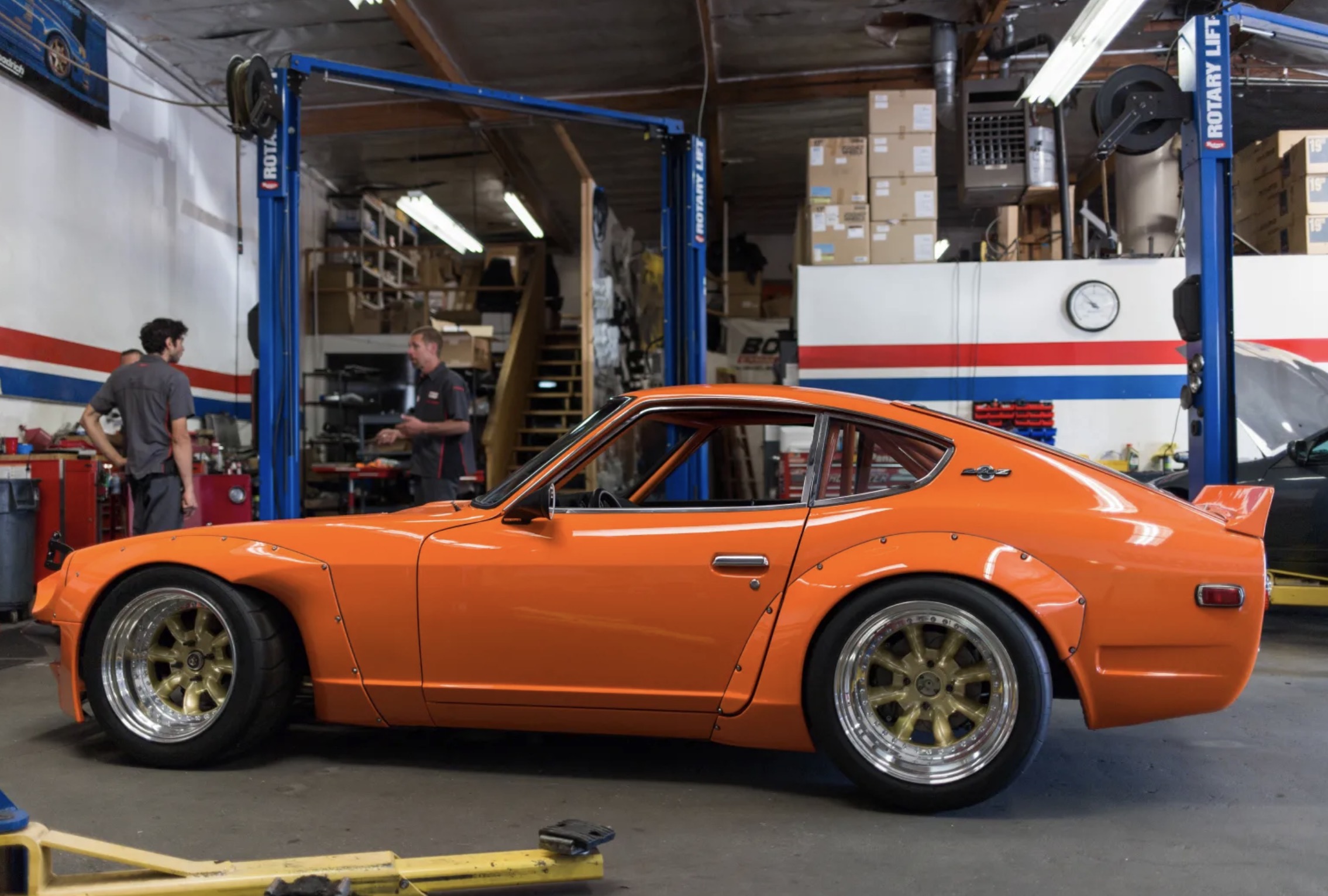
Before we take a look back at highlights from 2018, check out a few of the many customer projects coming along at the shop including full restorations
Scott W’s 260z was completed in summer. This Z has a complete color change, ZCG Big-Brakes and a sweet 3.2L with Jenvey ITB fuel injection. Full report in the New Year!
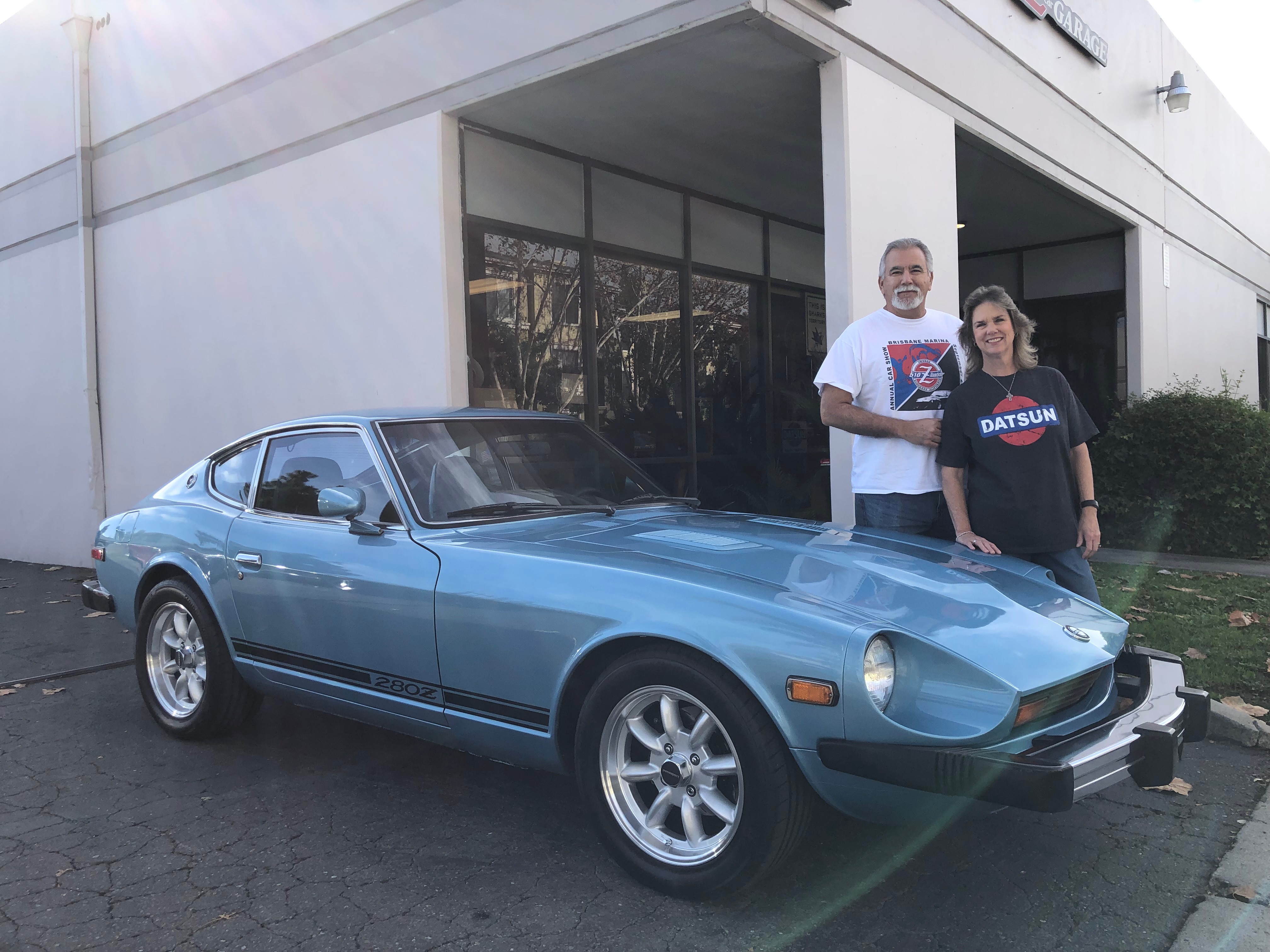
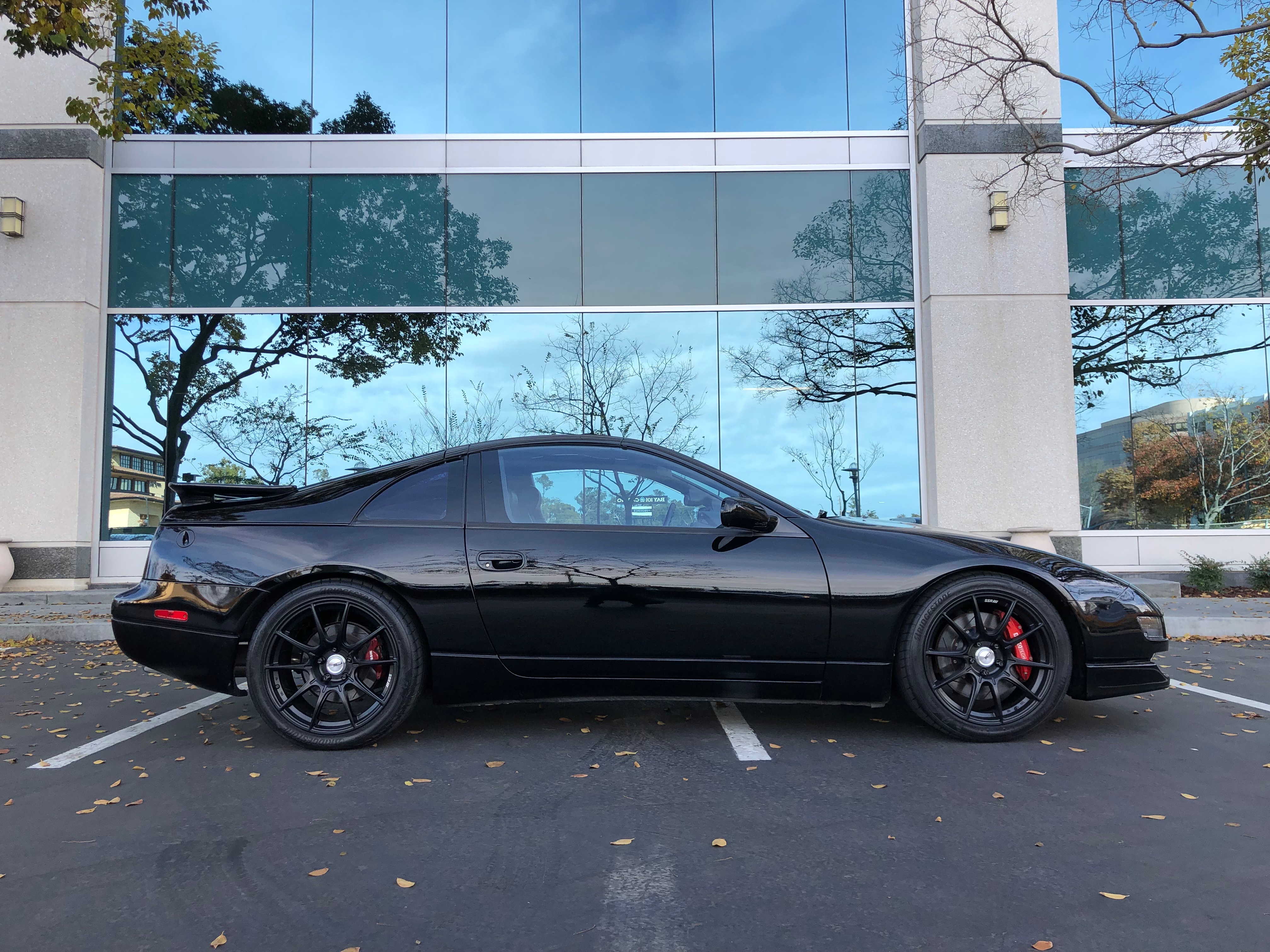
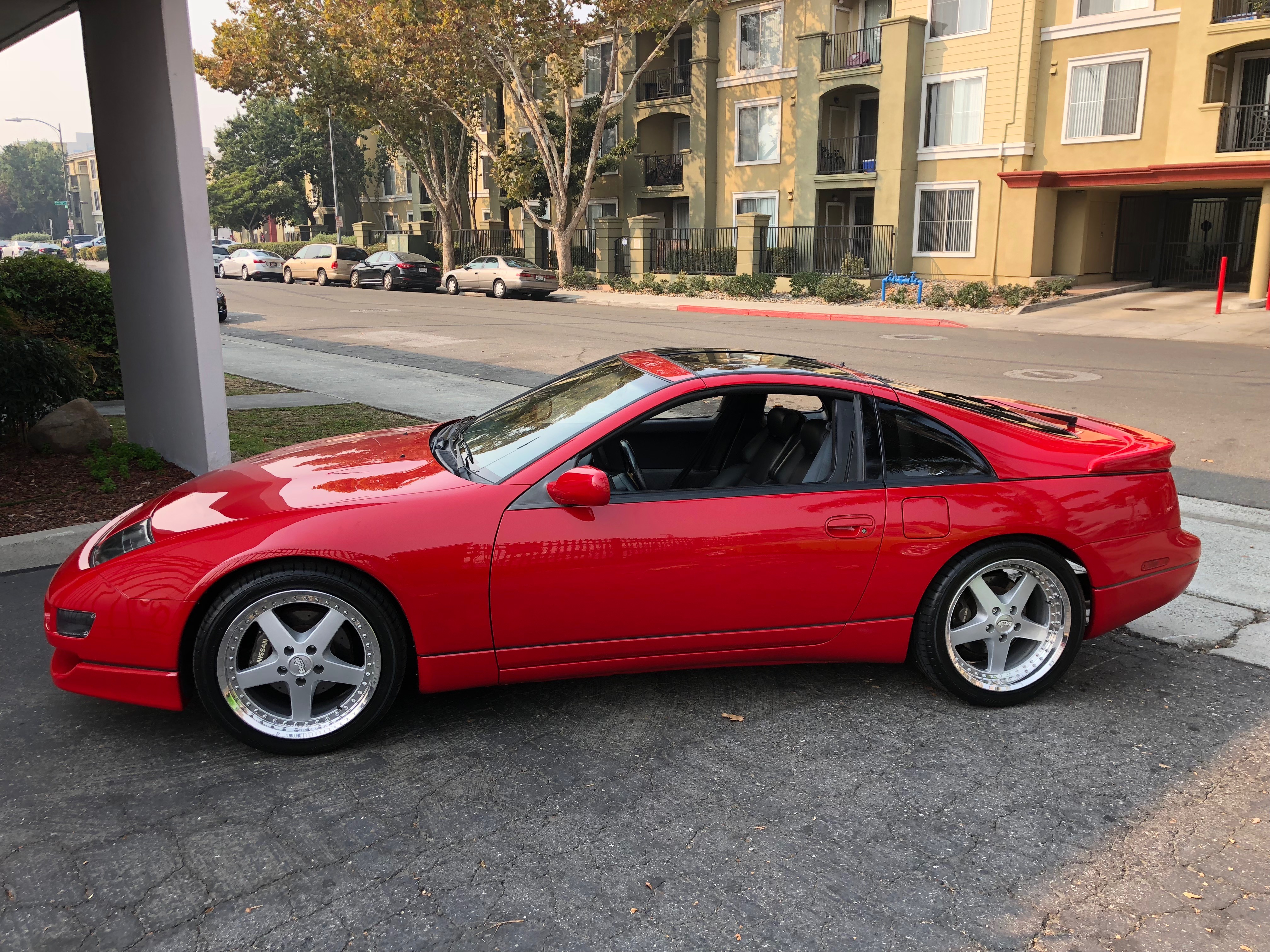
Several cars delivered before the holidays will get full reports soon: Cece’s 1977 Datsun 280z, Patrick’sZ32TT and Jay’s Z32TT
Highlights from 2018
Enjoy these highlights from 2018 and Z you in the New Year!
Filed under: Events,Performance
by Alvin G @ 1:58 pm on December 7, 2018
Jalopnik visited Z Garage to discuss Nissan’s past and future with Rob Fuller. Great interview and photos by Kristen Lee, check out the article is HERE.
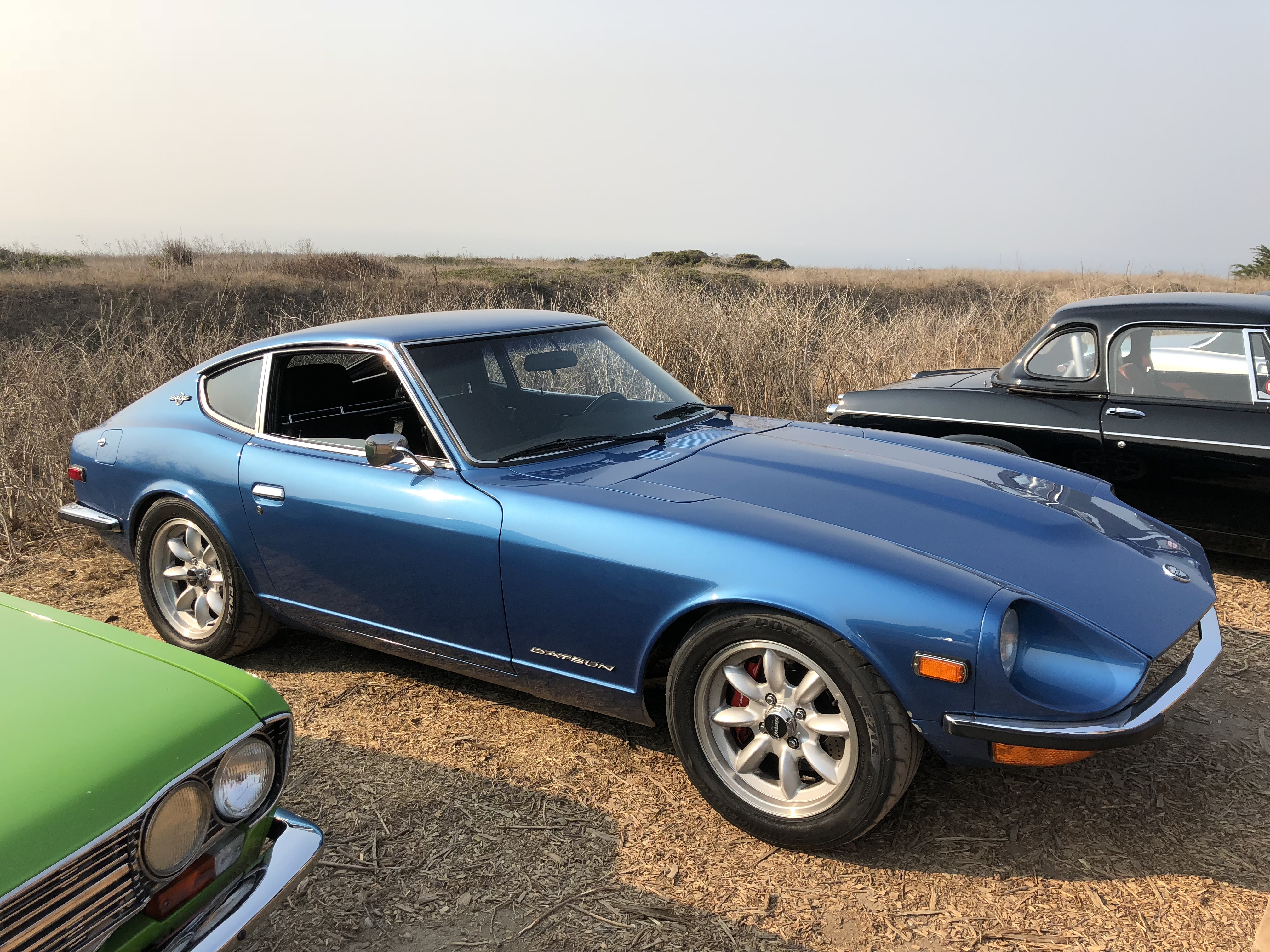
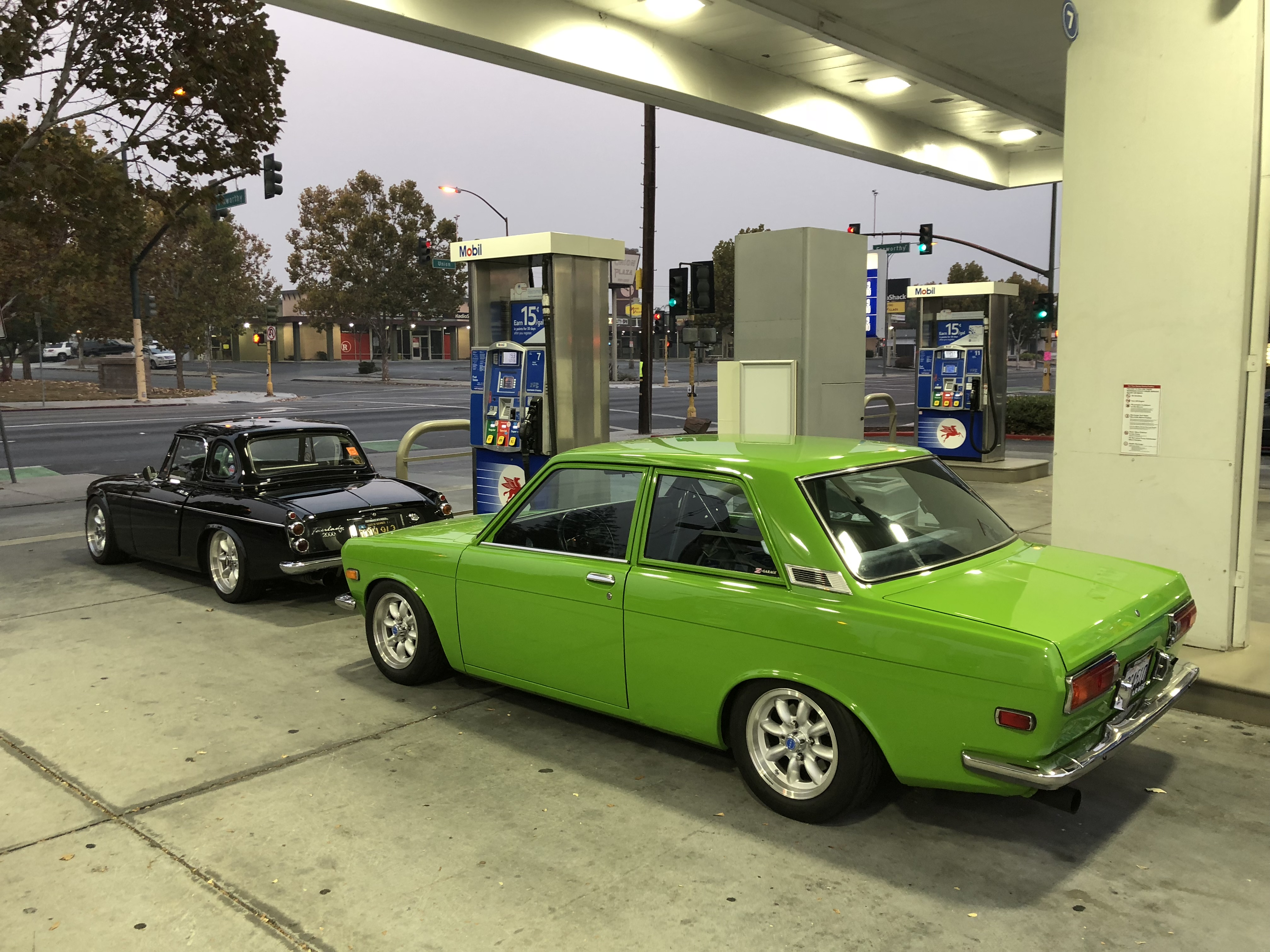
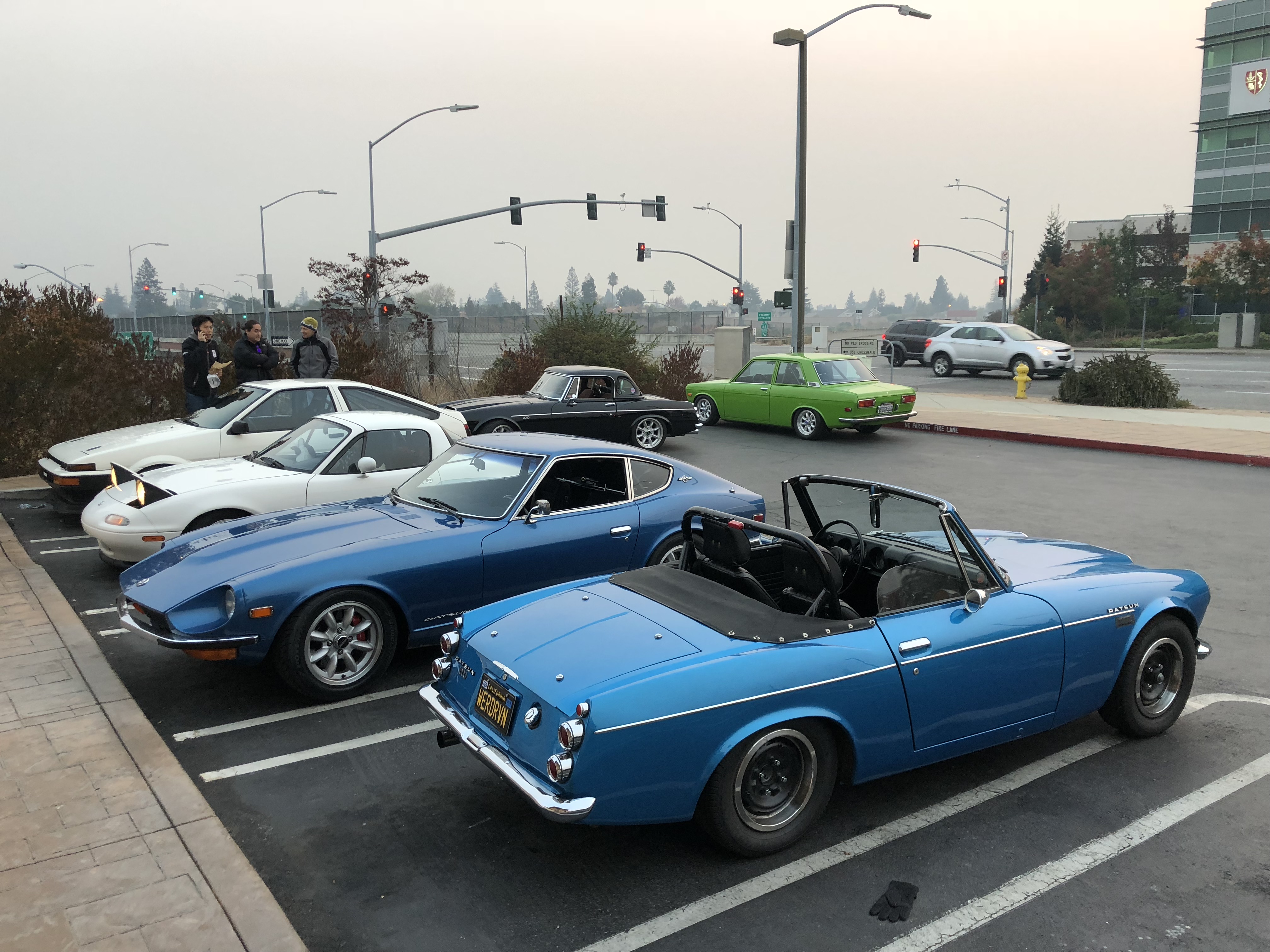
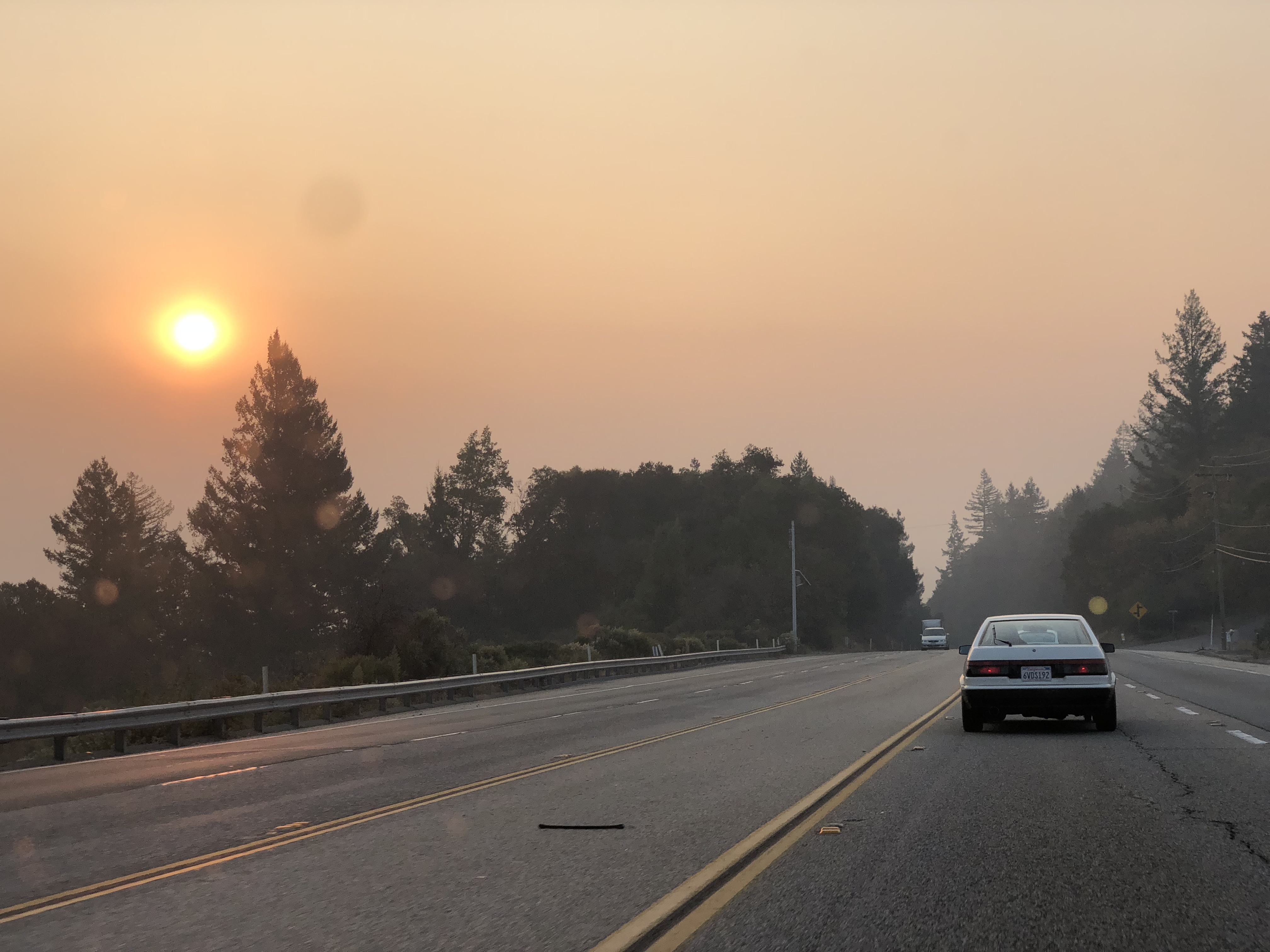
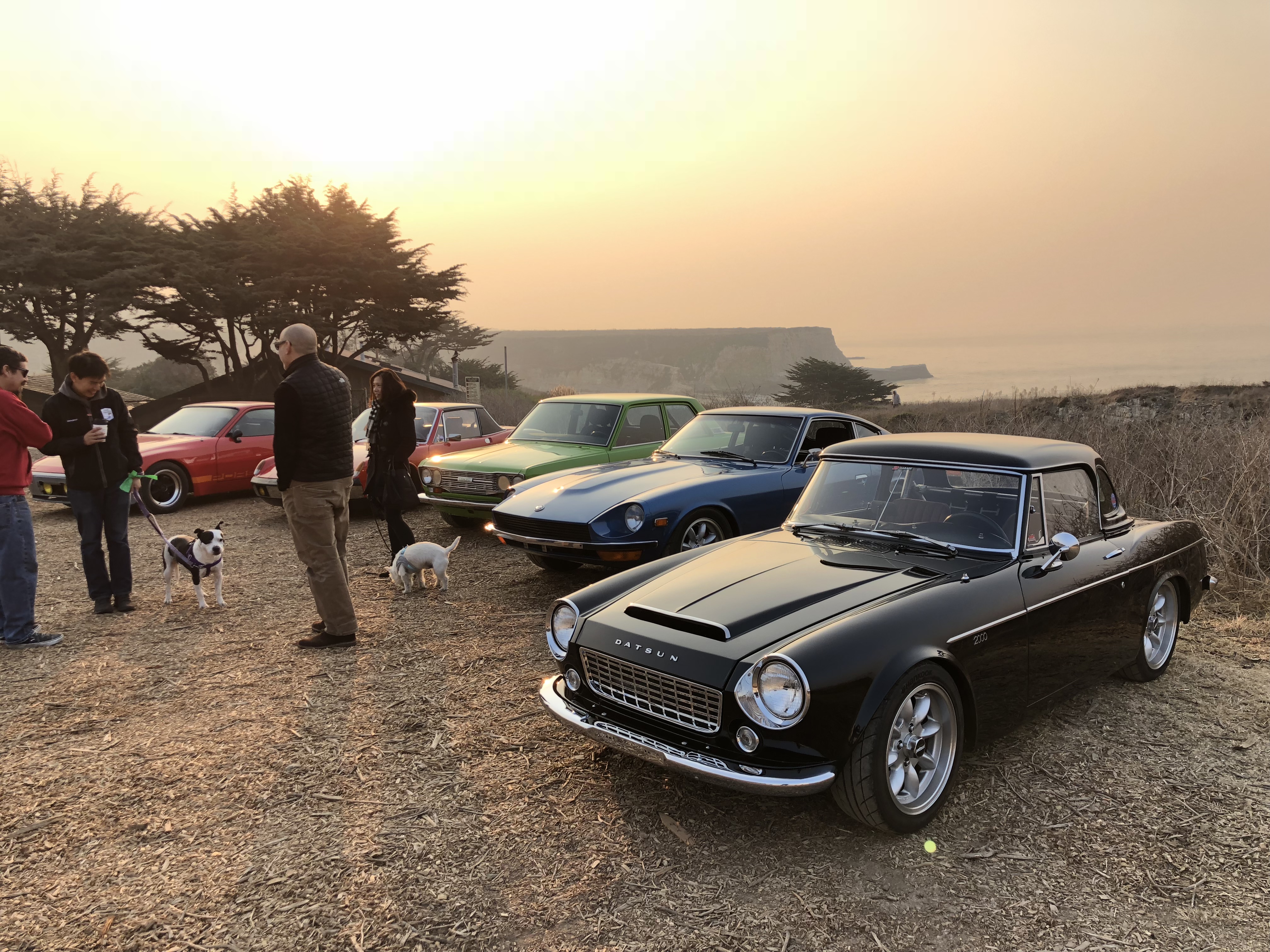
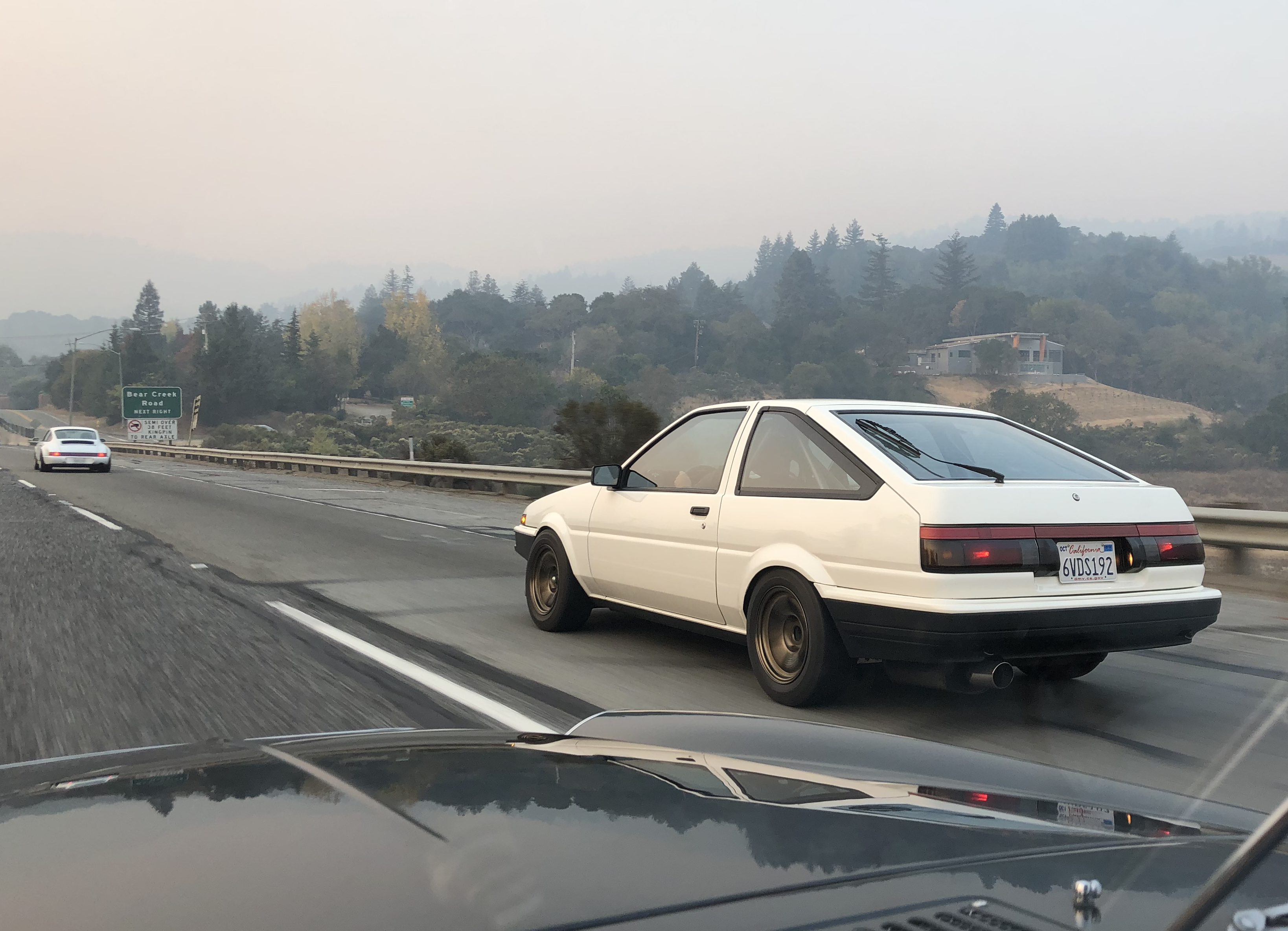
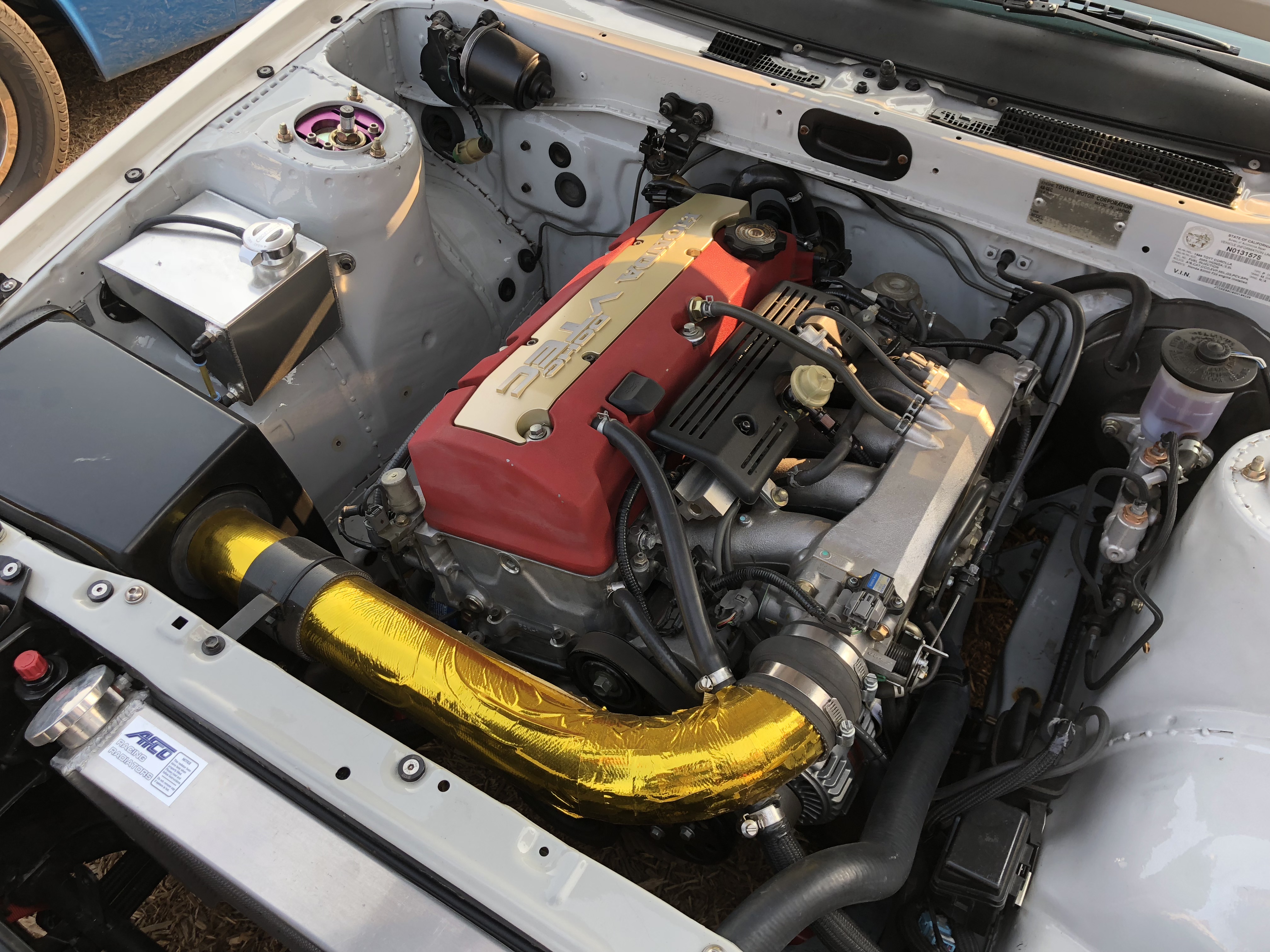
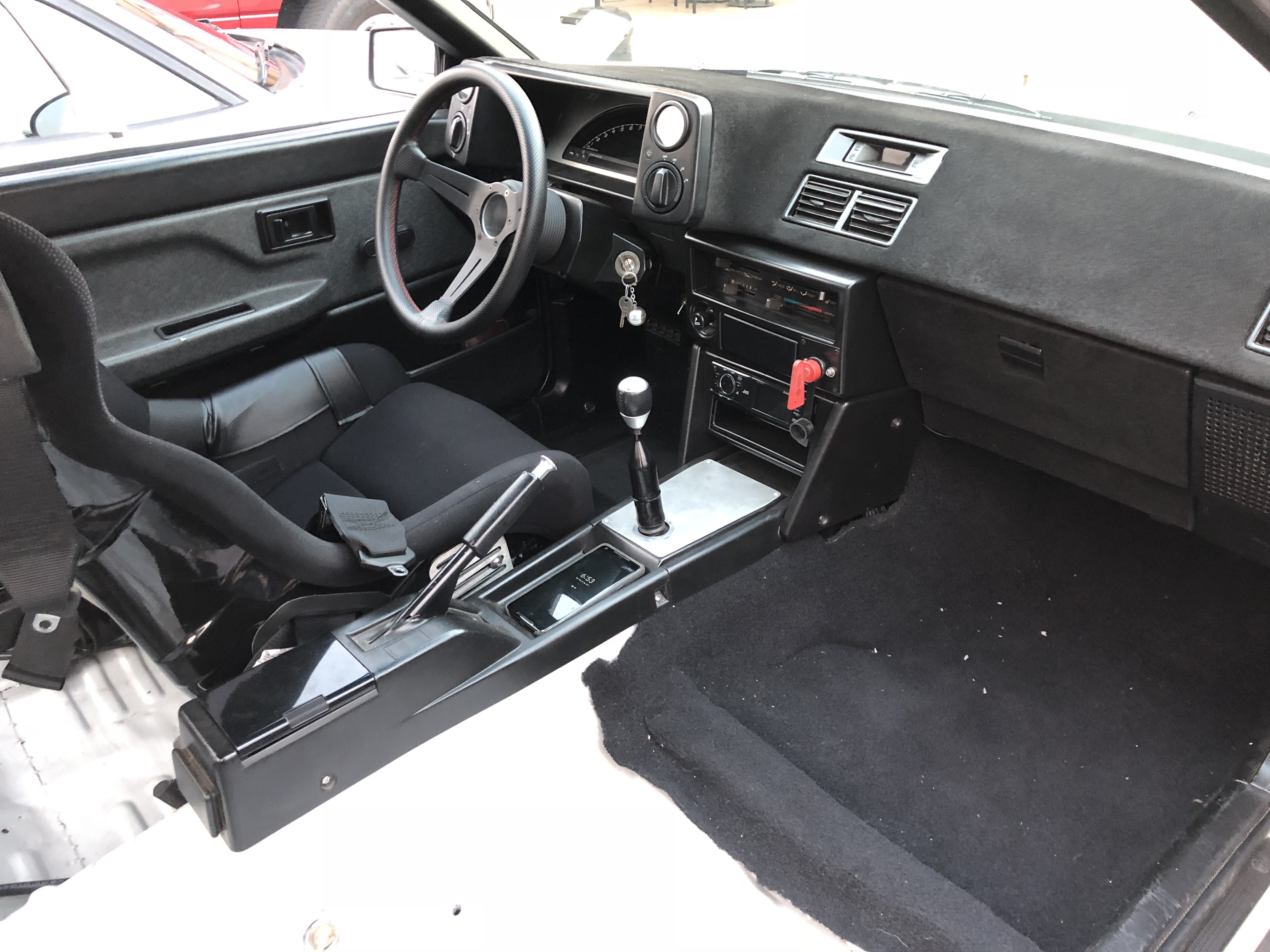
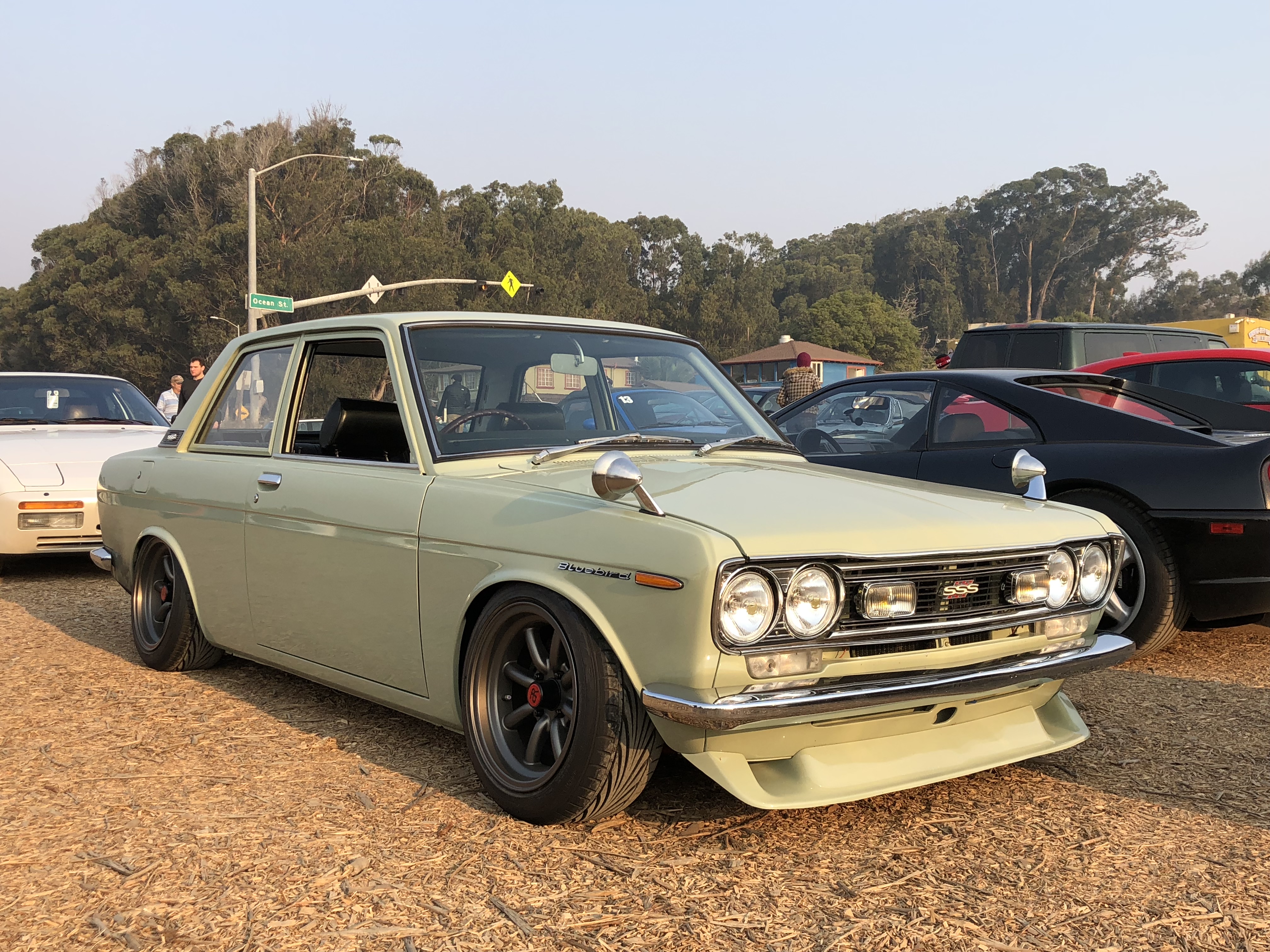
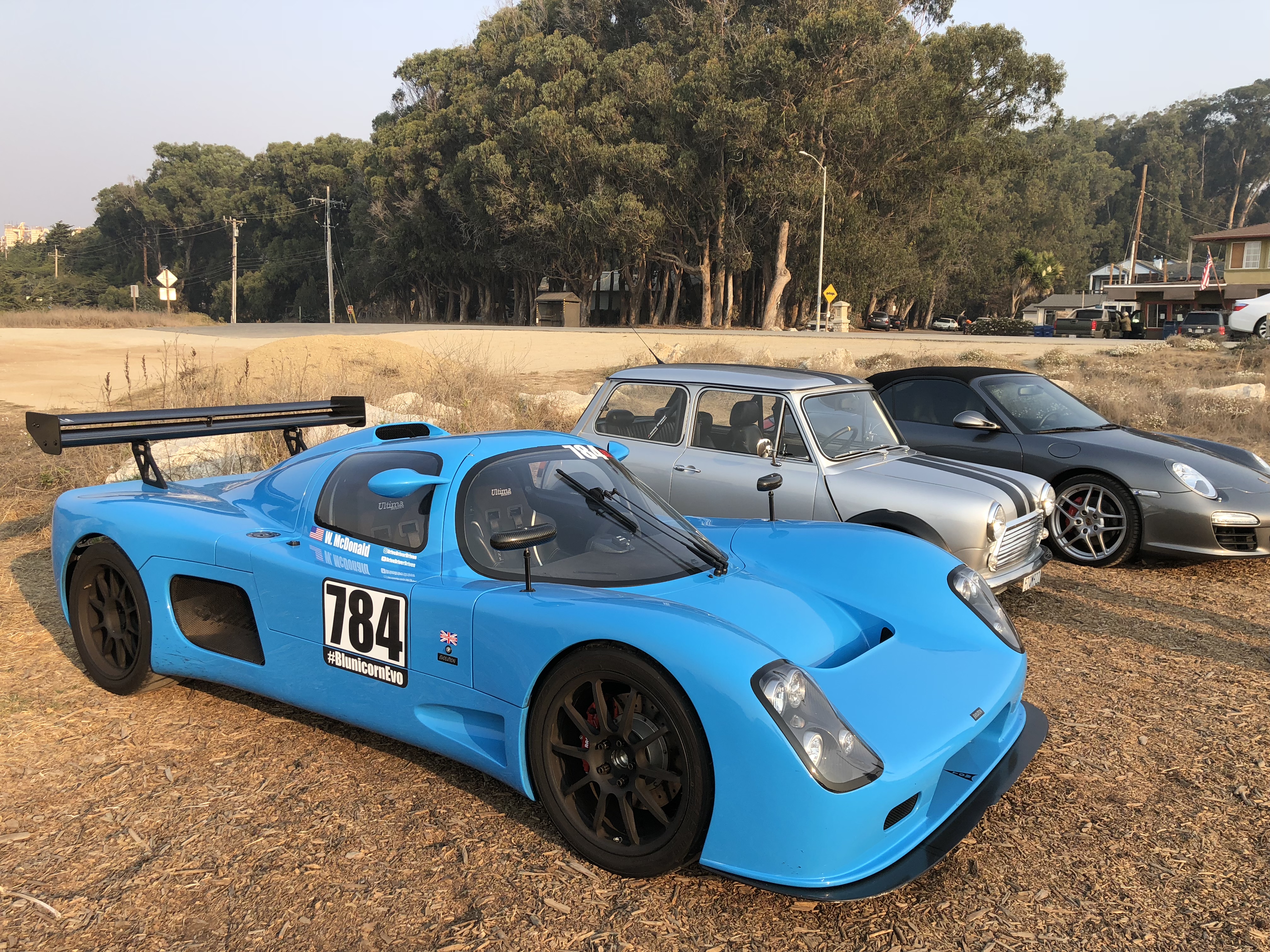
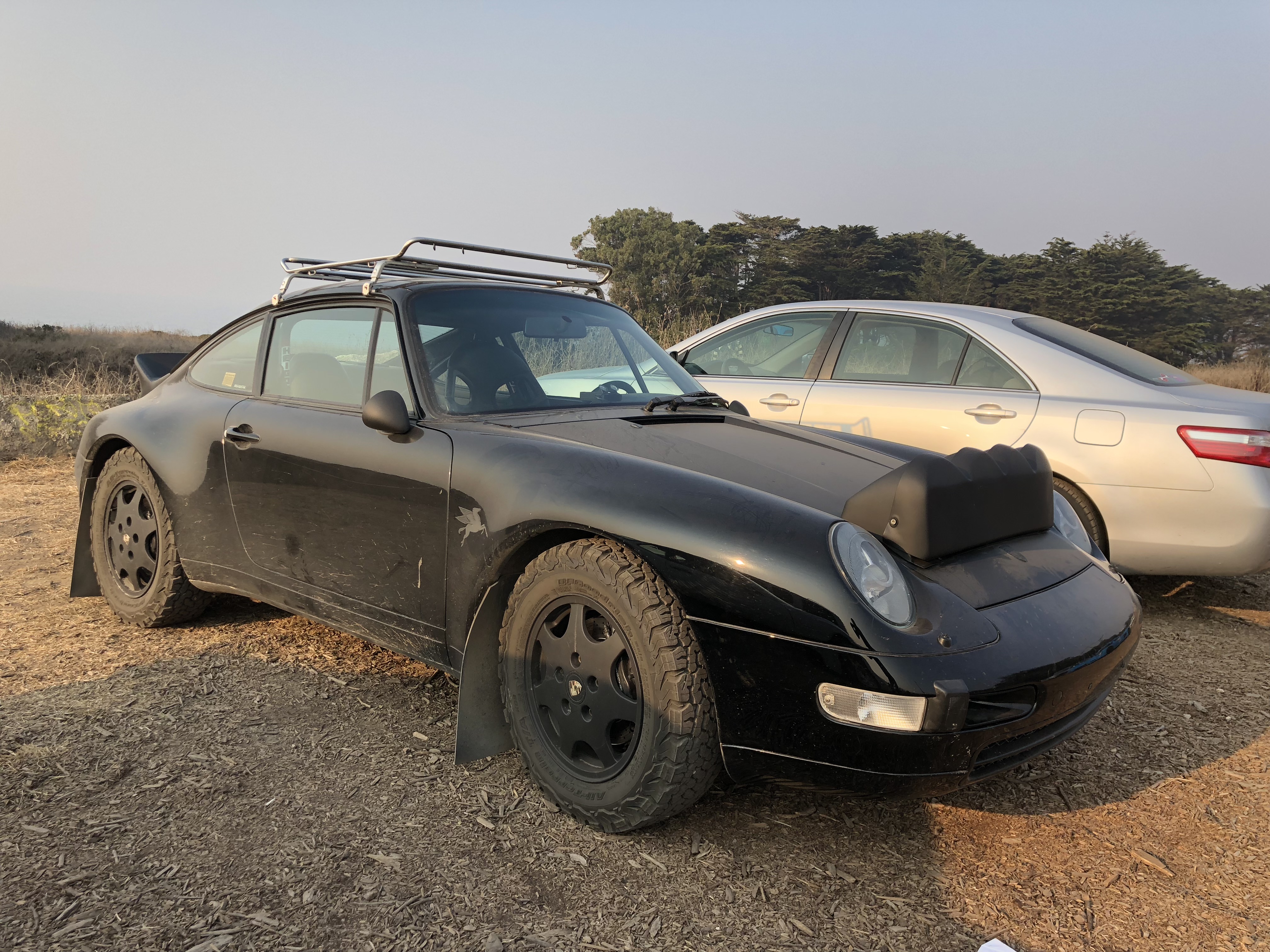
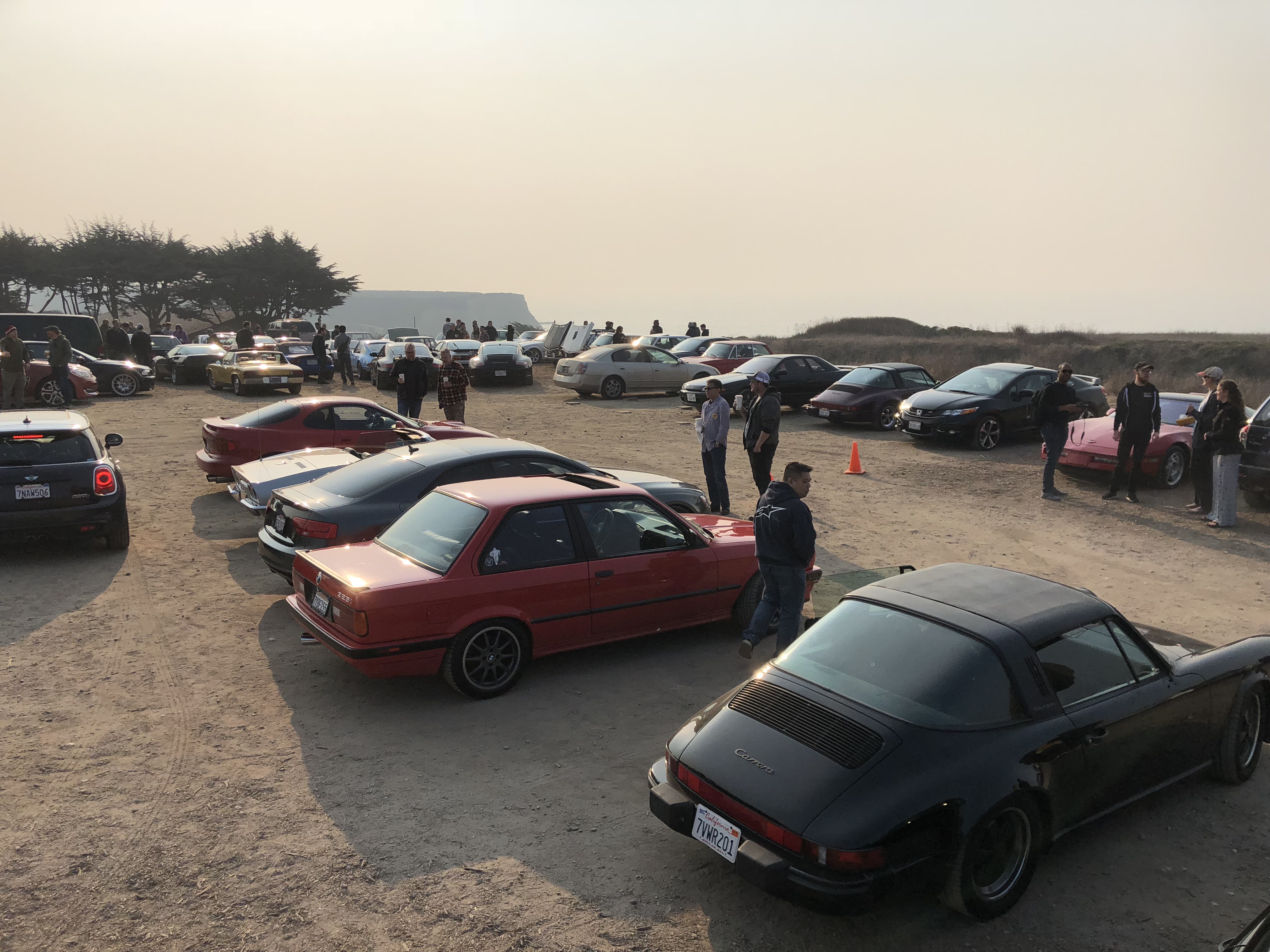
I finally attended DrivingWhileAwesome Cars n’ Coffee last weekend and it was a great time. This is a gathering with a wonderful and eclectic mix of cars hosted by the DWA crew in Davenport, CA. Our group of friends left San Jose just before 7am, and it was a chilly 41 degrees. We joined Glenn and Pat in their NA Miata, Rob in the SR20DET-powered Datsun 510, Lloyd brought his S2000-powered AE86, customer Rob J in his 1970 Datsun 240z and William in a (964) 911:
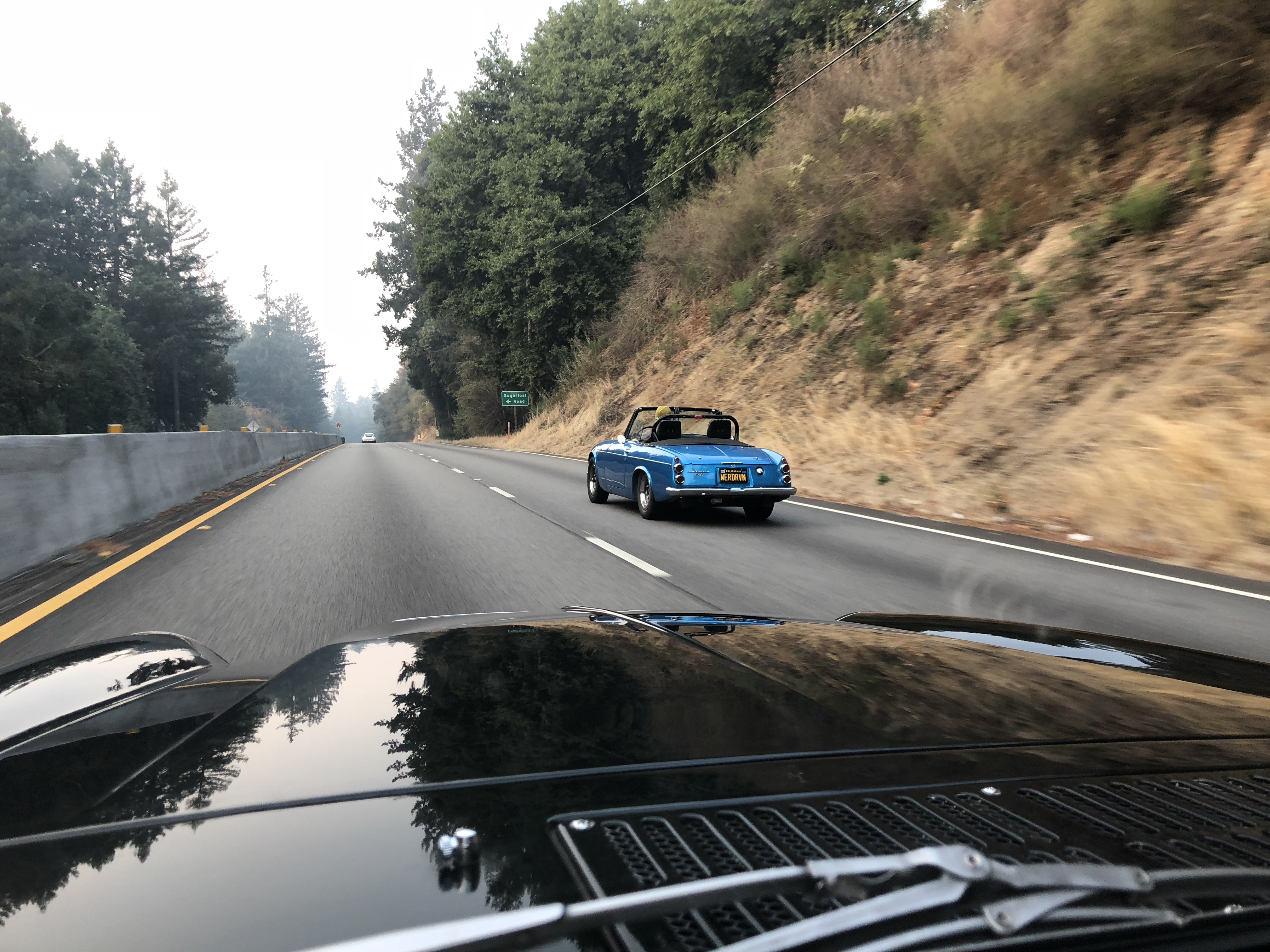
We bolted up HWY 17 to reach Davenport. I threw my hardtop back on the roadster after a topless summer of fun. Joe decided to brave the cold sans top in his 1968 Datsun 1600 roadster.
Arriving at the parking lot in front of Whale city Bakery cool cars were already lining up. We parked next to DWA member Lane Skelton of DrivingWhileAwesome in his Porsche 944.
A short video of Rob in the 510, as well as an F355 taking off:
In Search of J-Tin
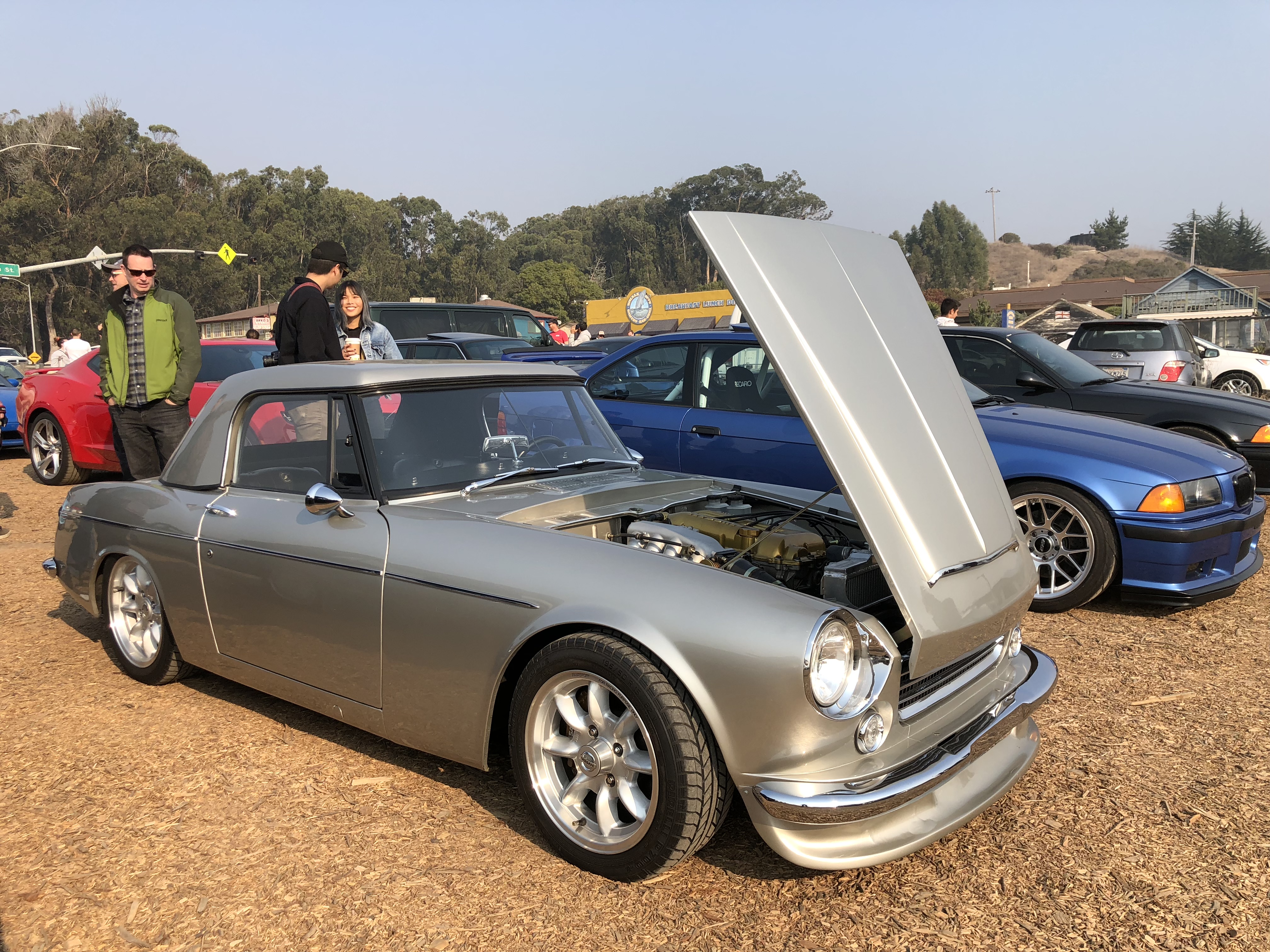
Although attendance was mostly Euro/Italian, many Japanese gems showed up. I was pleasantly surprised to see Eddie Wu in his #SAKERKT, a 1966 Datsun Roadster with an S15 SR20DE:
Lloyd’s AE86 Corolla was a crowd favorite (mine as well) sporting a complete Honda S2000 (F22C) drivetrain and full suspension:
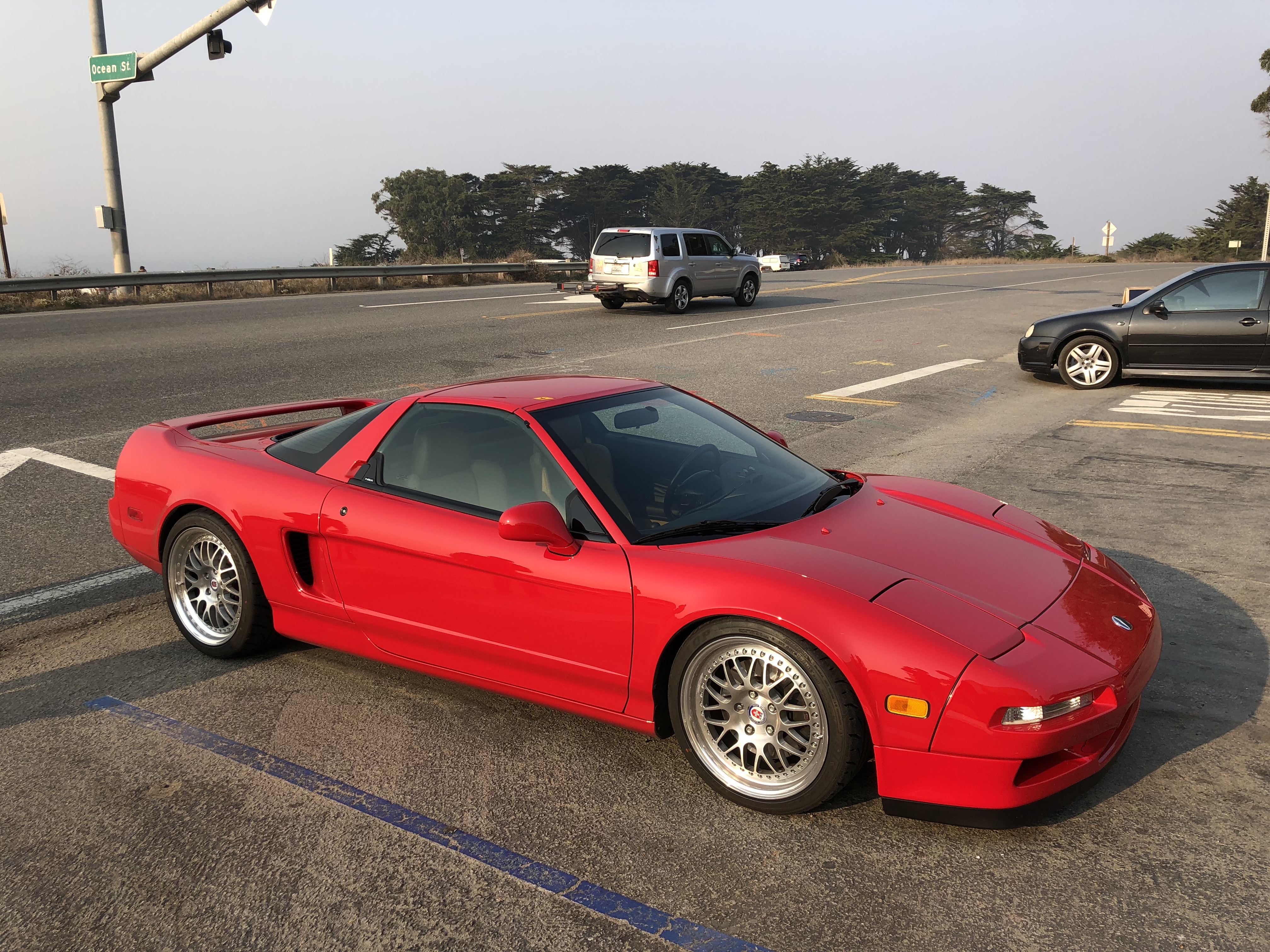
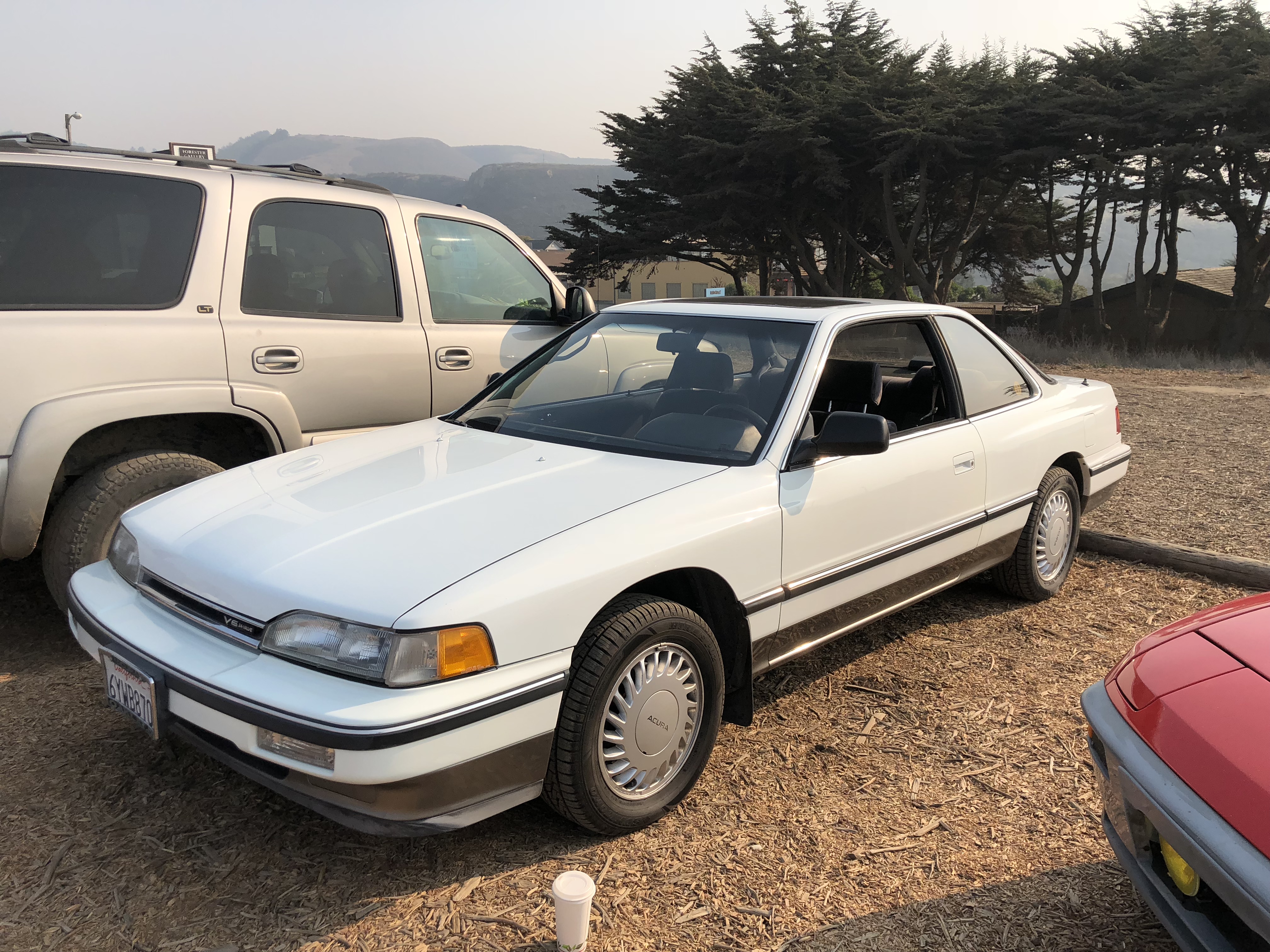
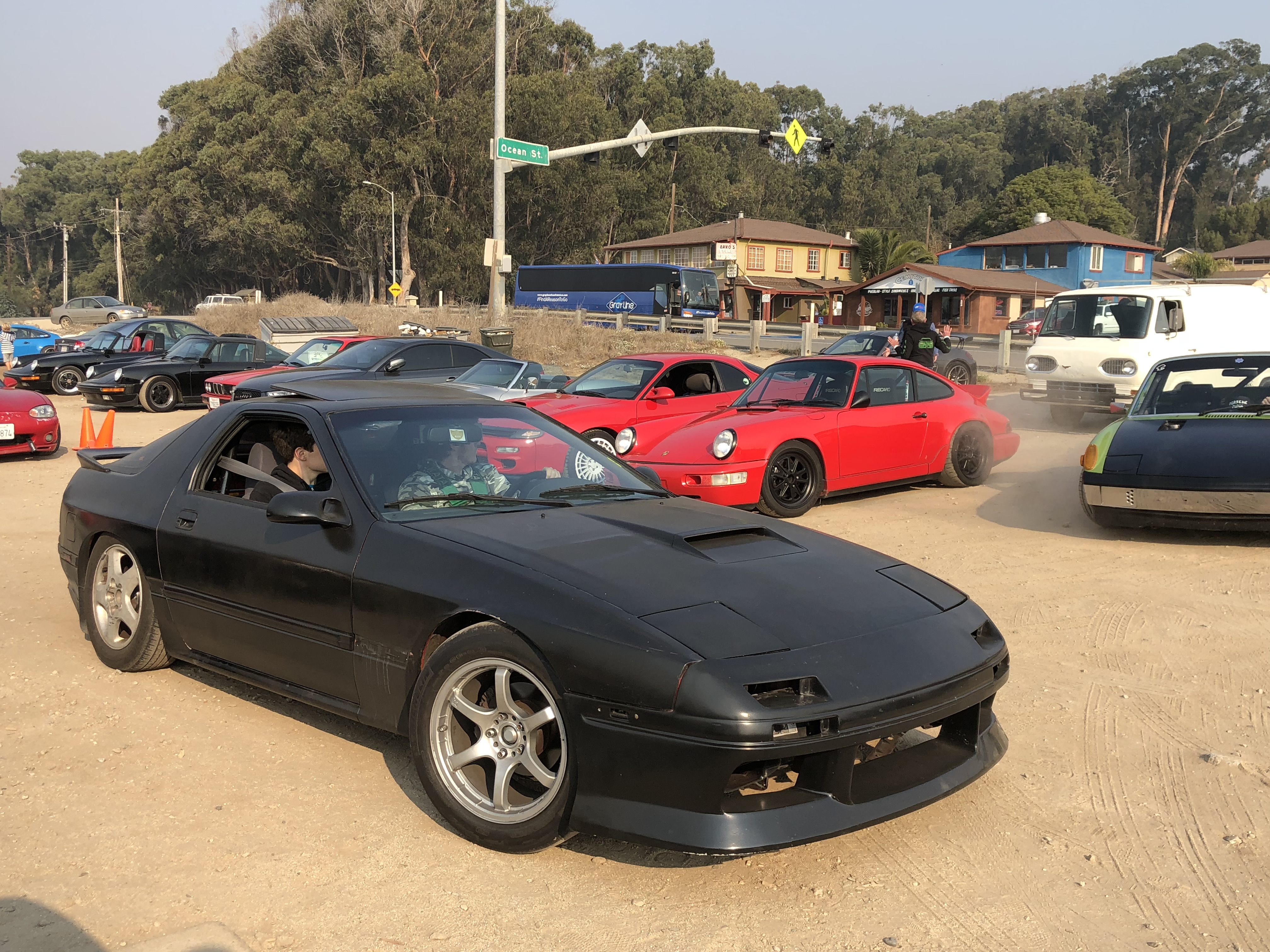
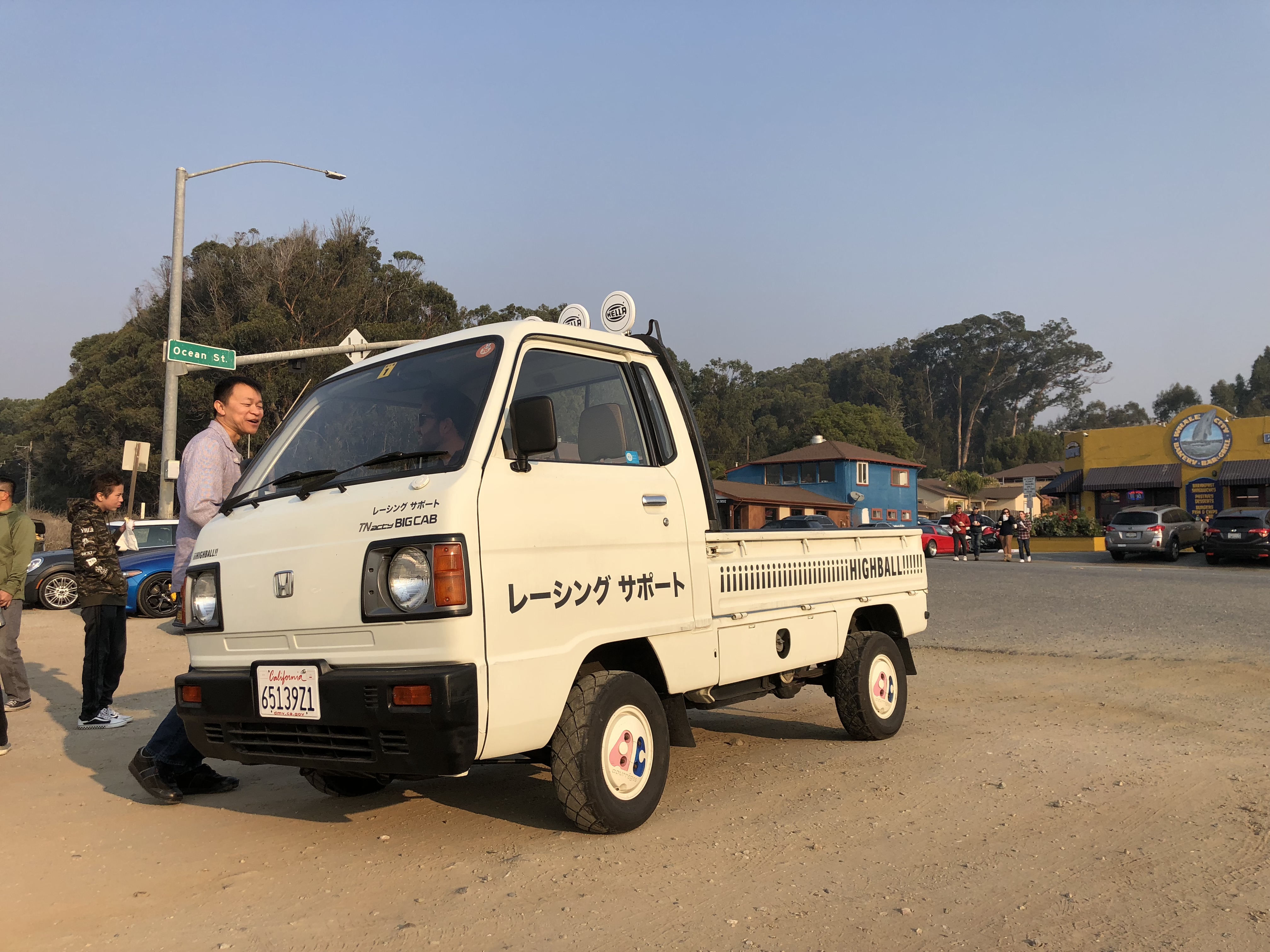
More J-Tin goodness: NSX, First gen Acura Legend, FC RX-7 and Kei Truck (Honda Acty)!
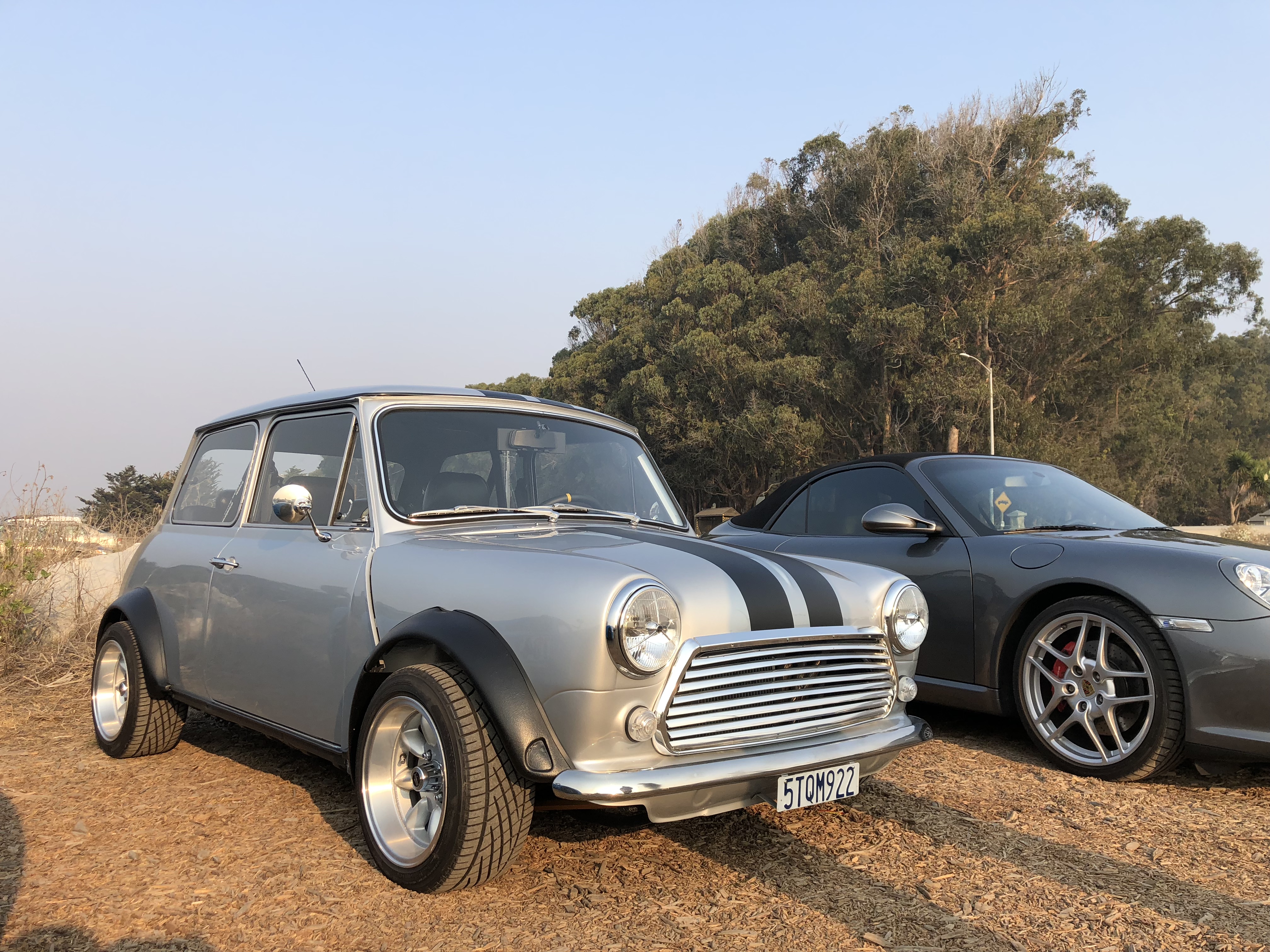
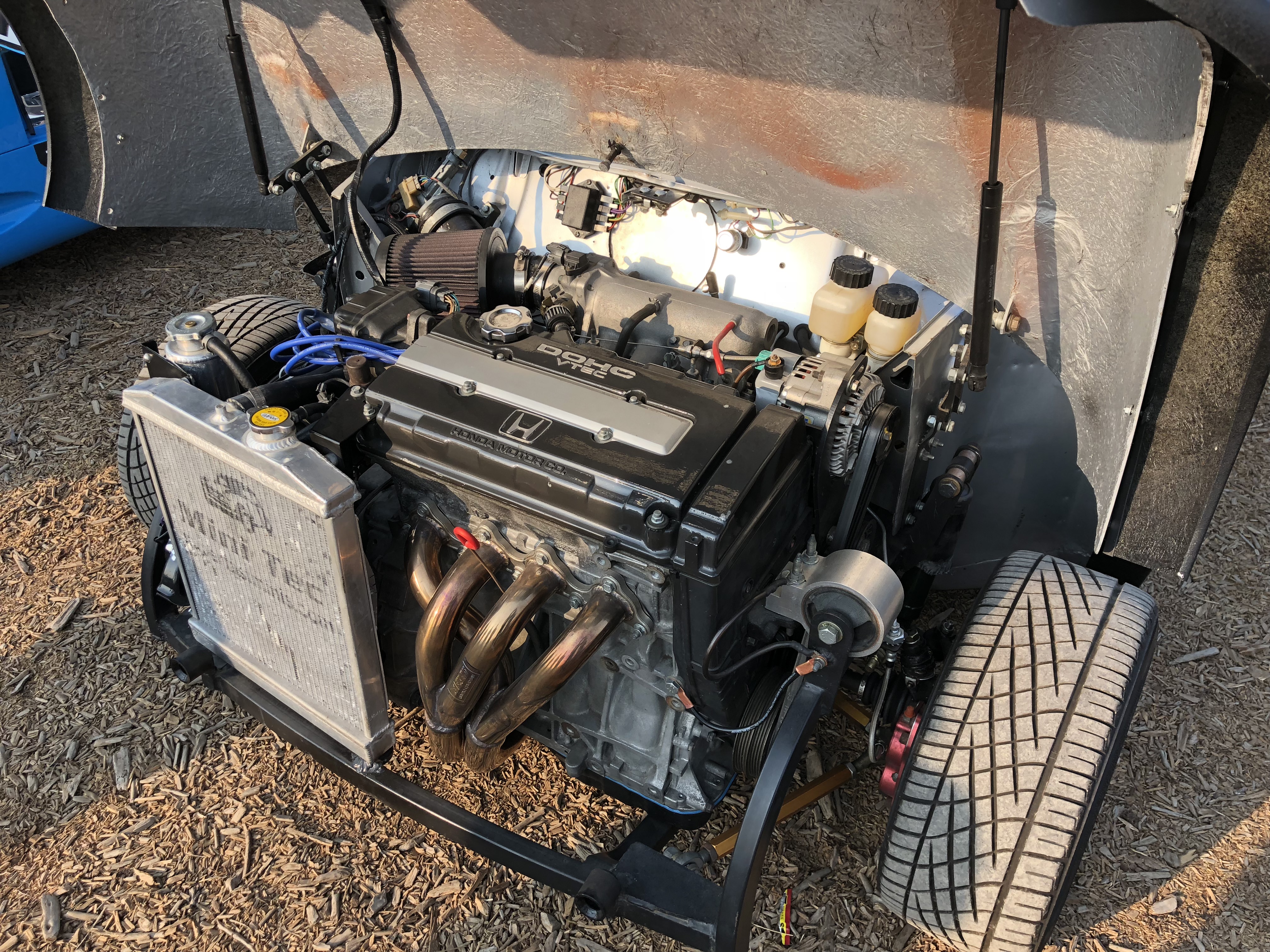
Not Japanese at first glance, but underhood of this Mini is B-series VTEC!
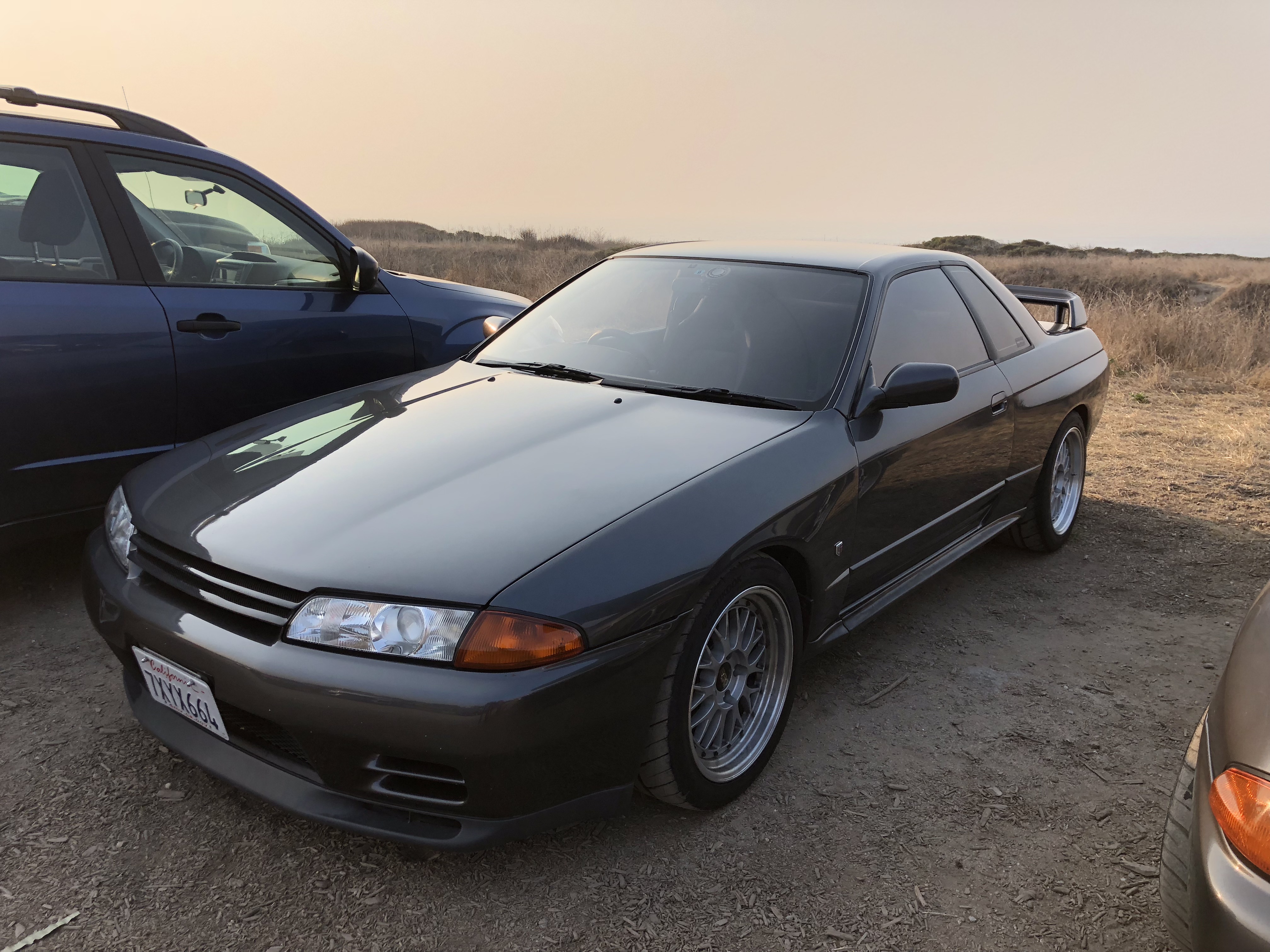
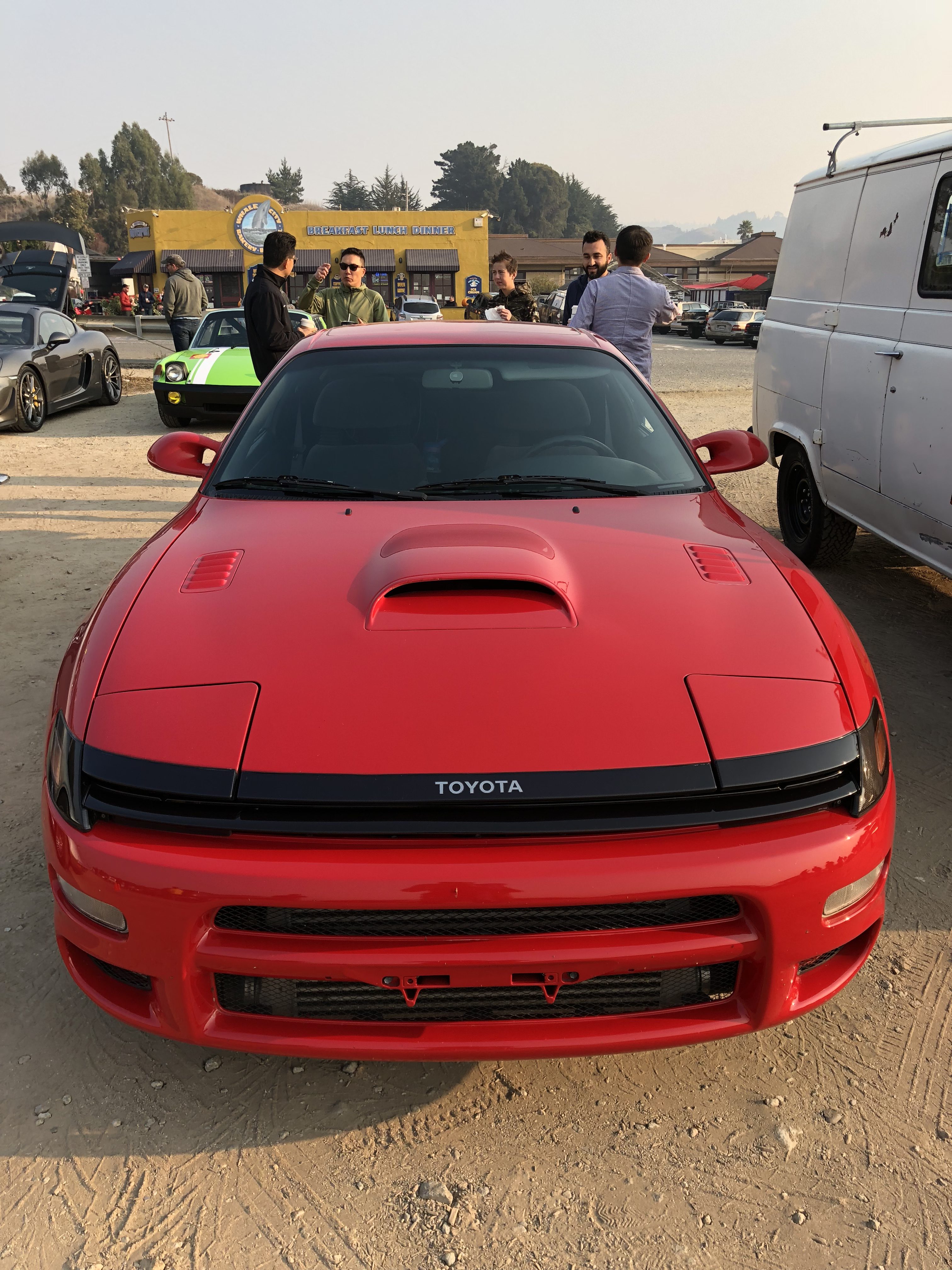
TWO R32 Skylines and DWA member Art C’s Toyota Celica All-trac:
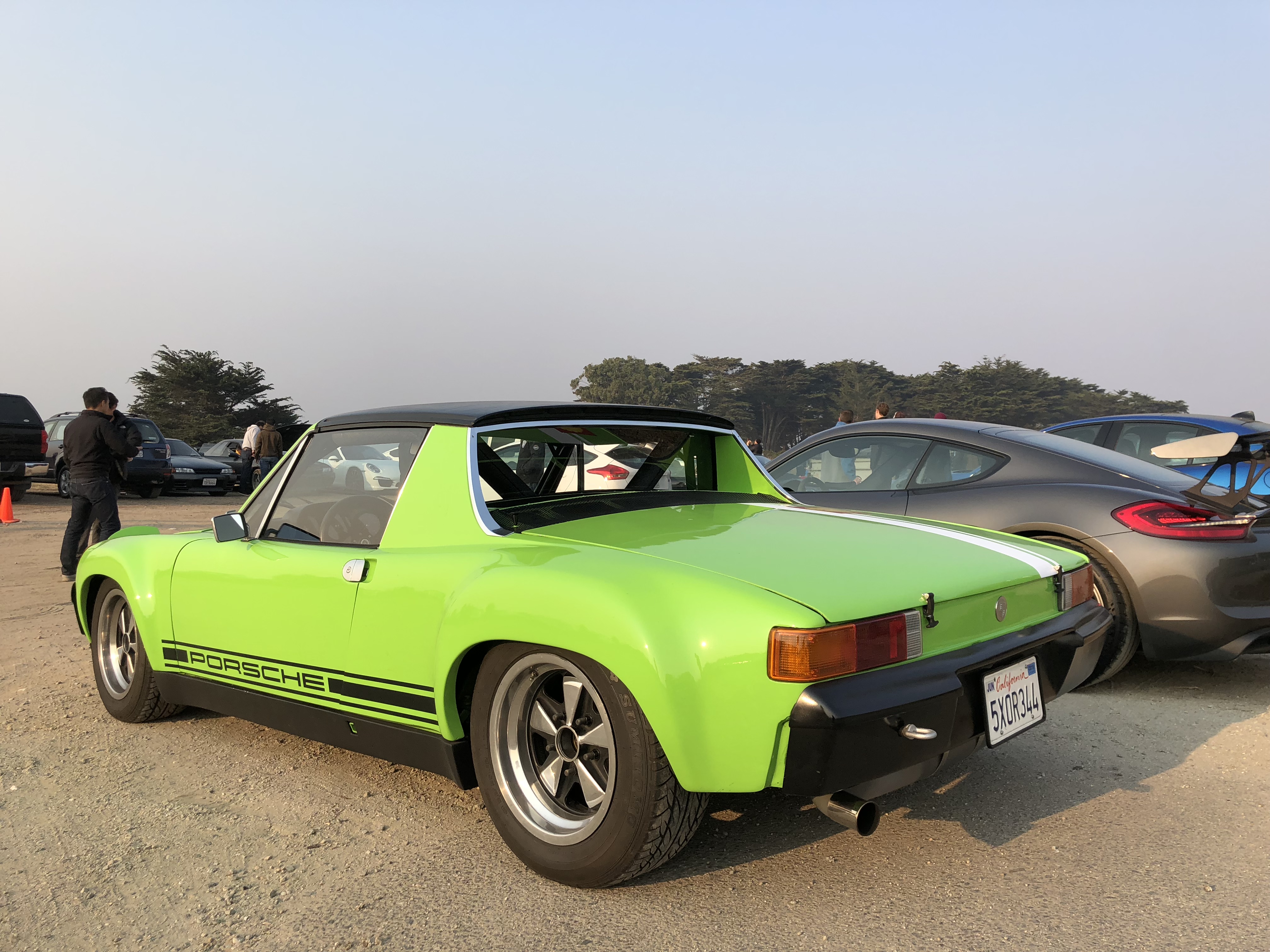
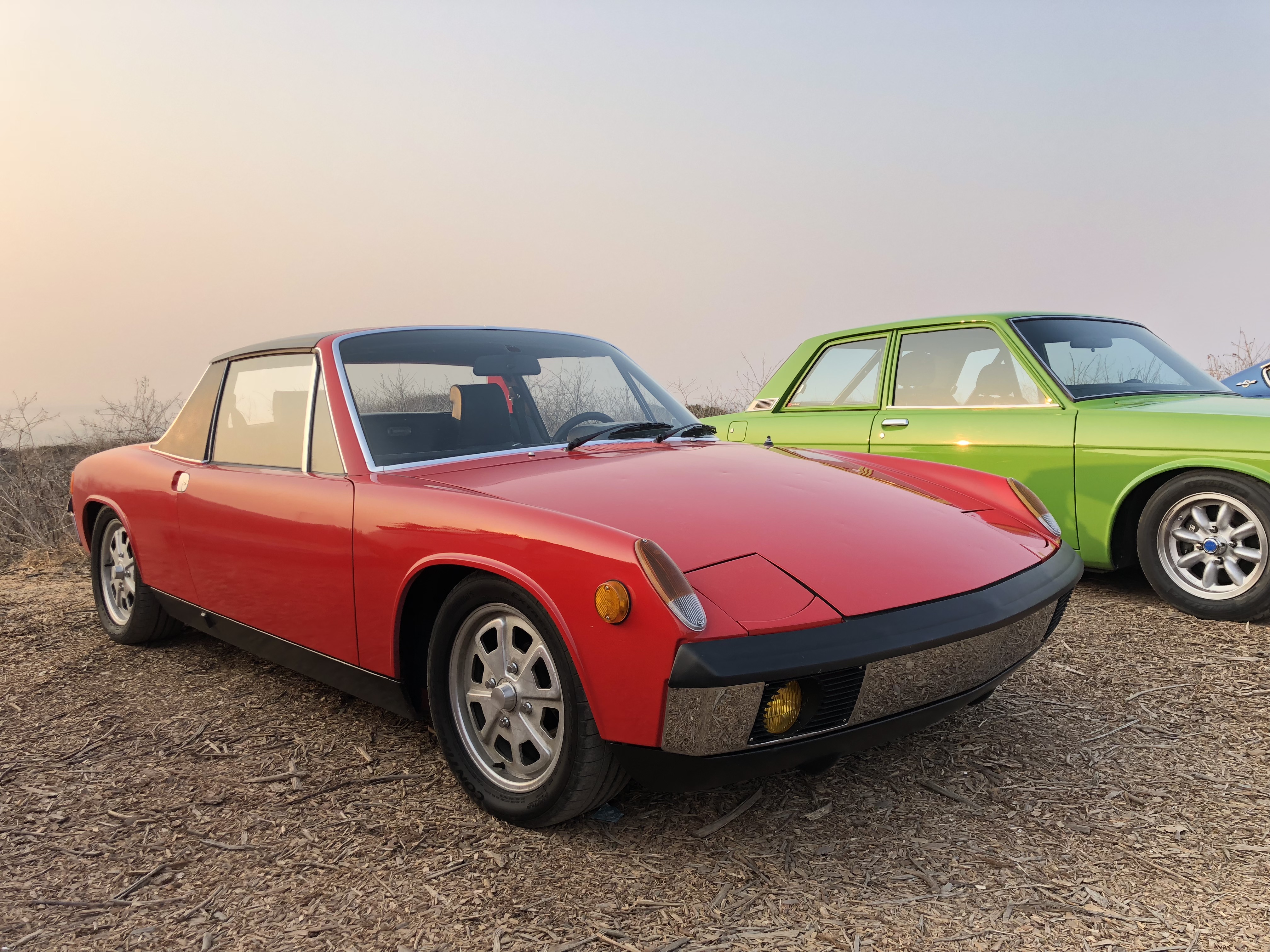
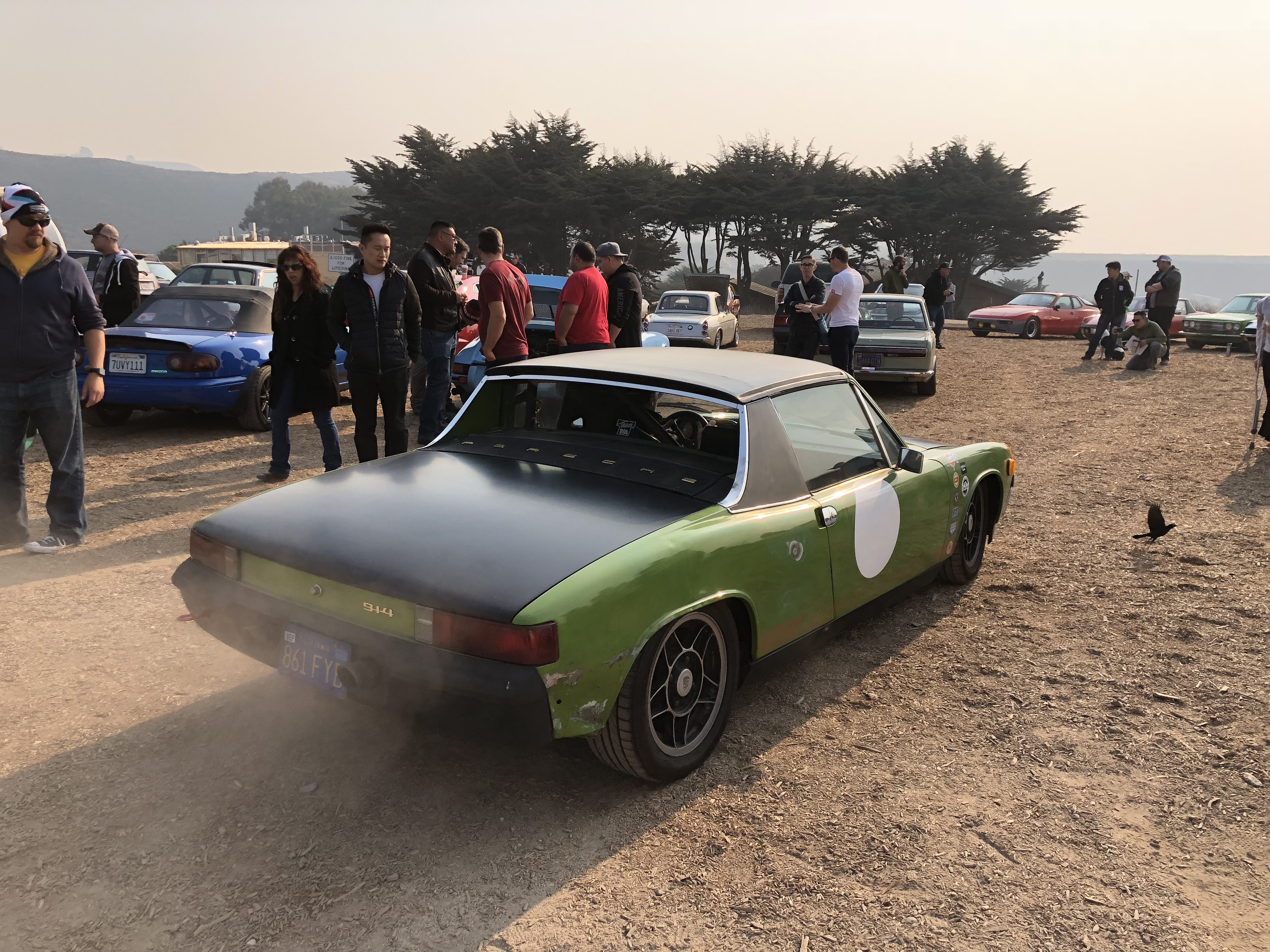
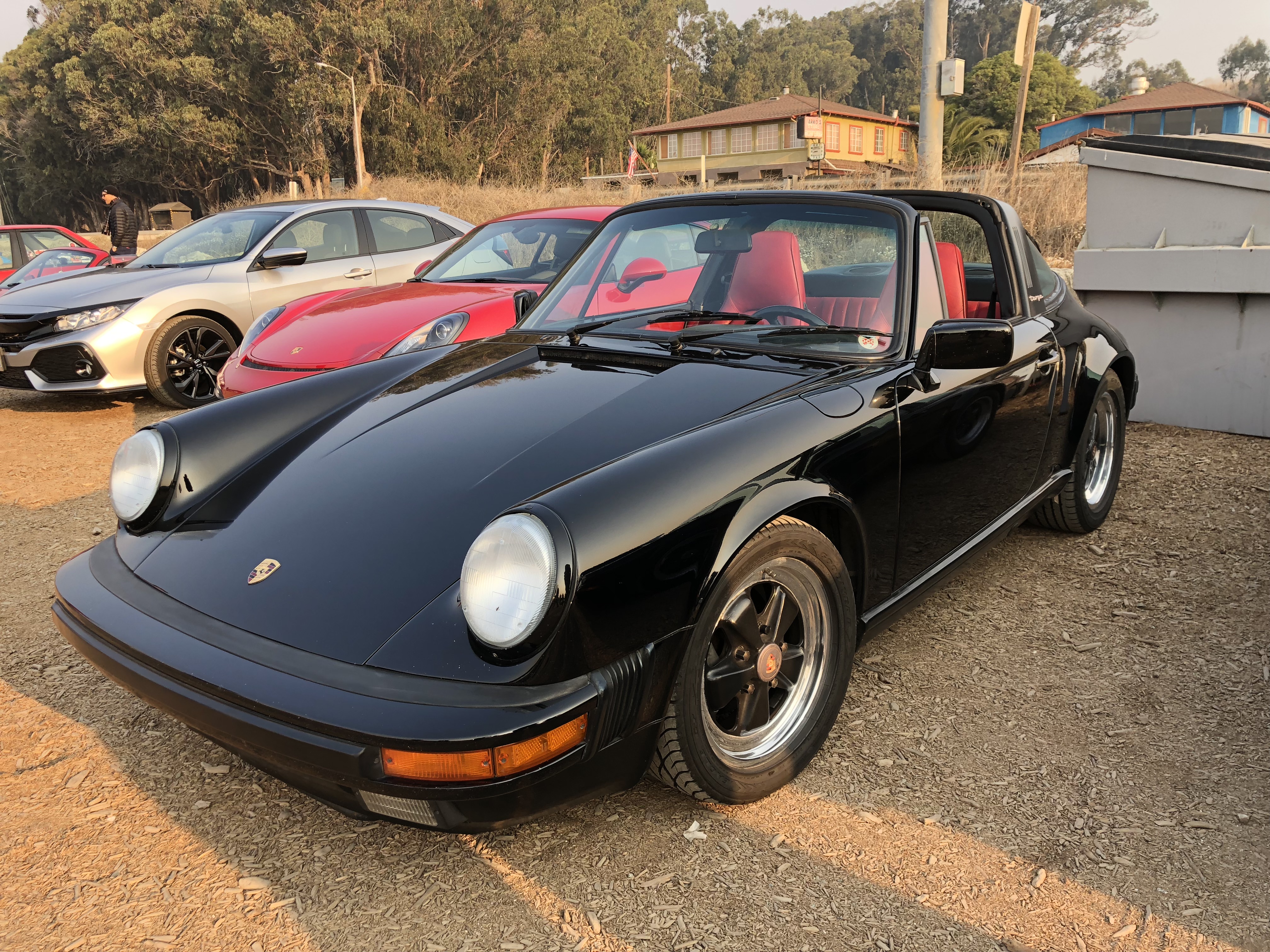
Yearning for Porsche’s? Or something a bit less “mainstream”? DWA CnC did not disappoint. Check out these Porsche 914s, from flared to bone-stock:
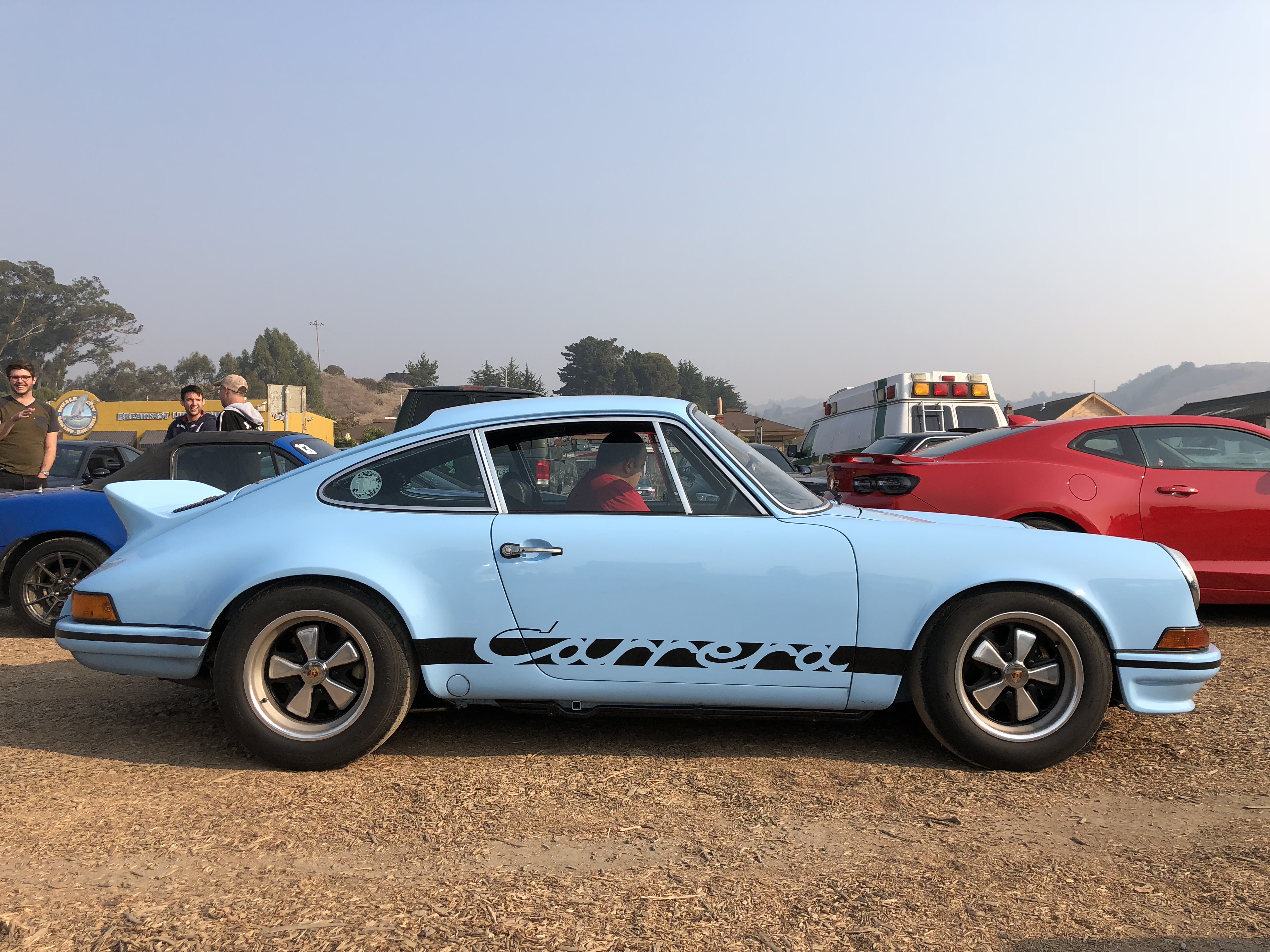
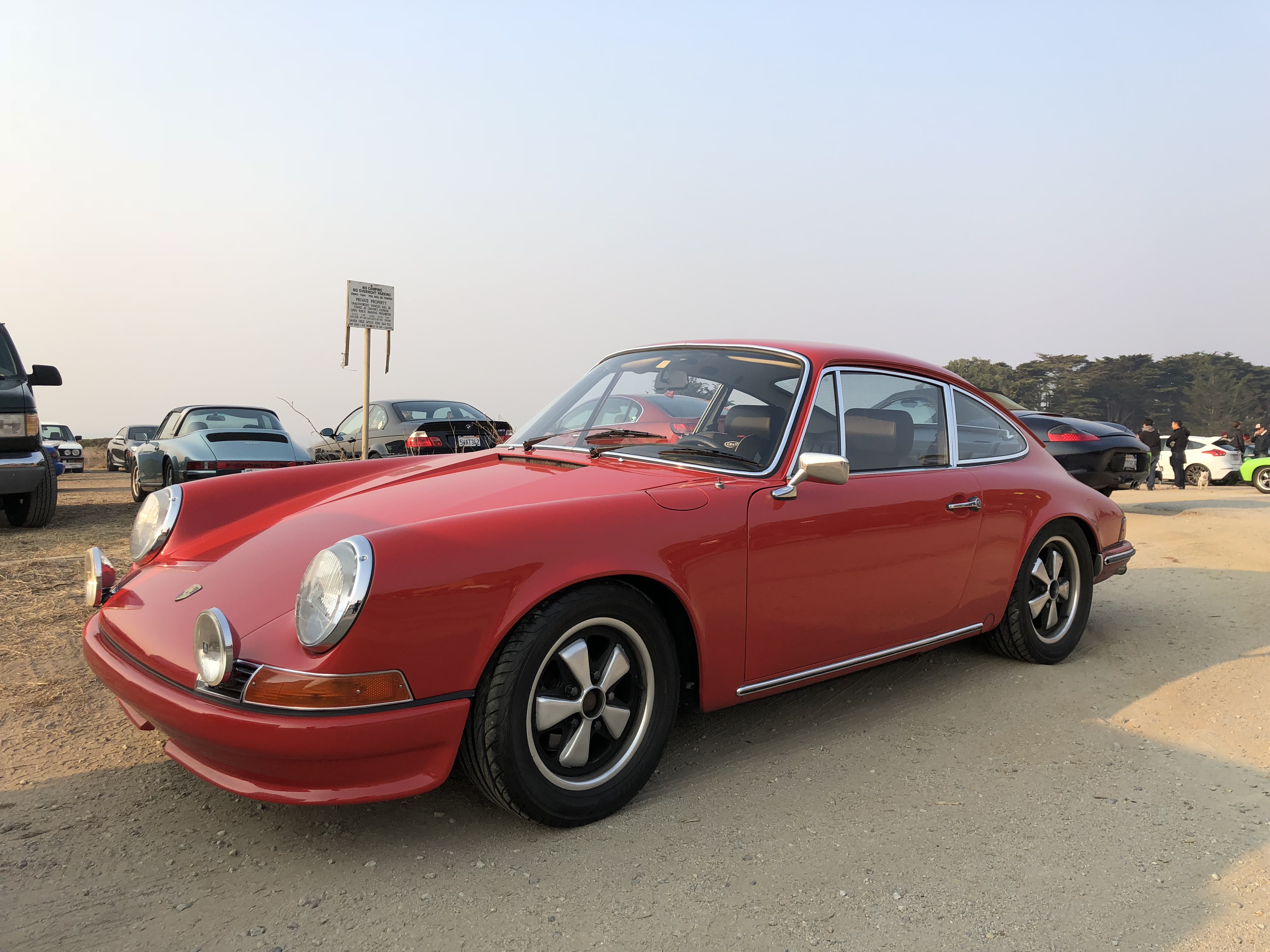
Early Porsche 911’s, including a REAL Carrera RS:
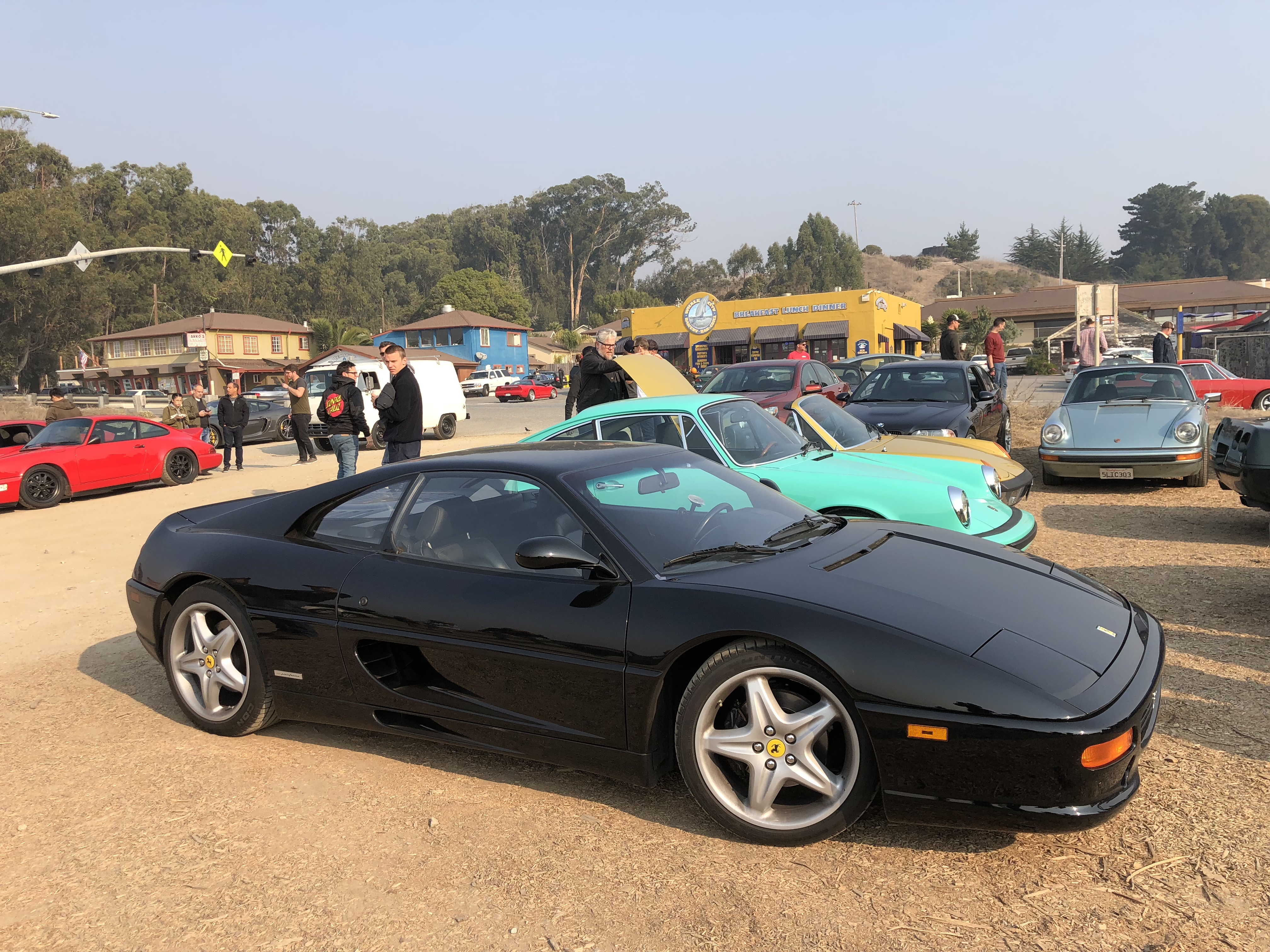
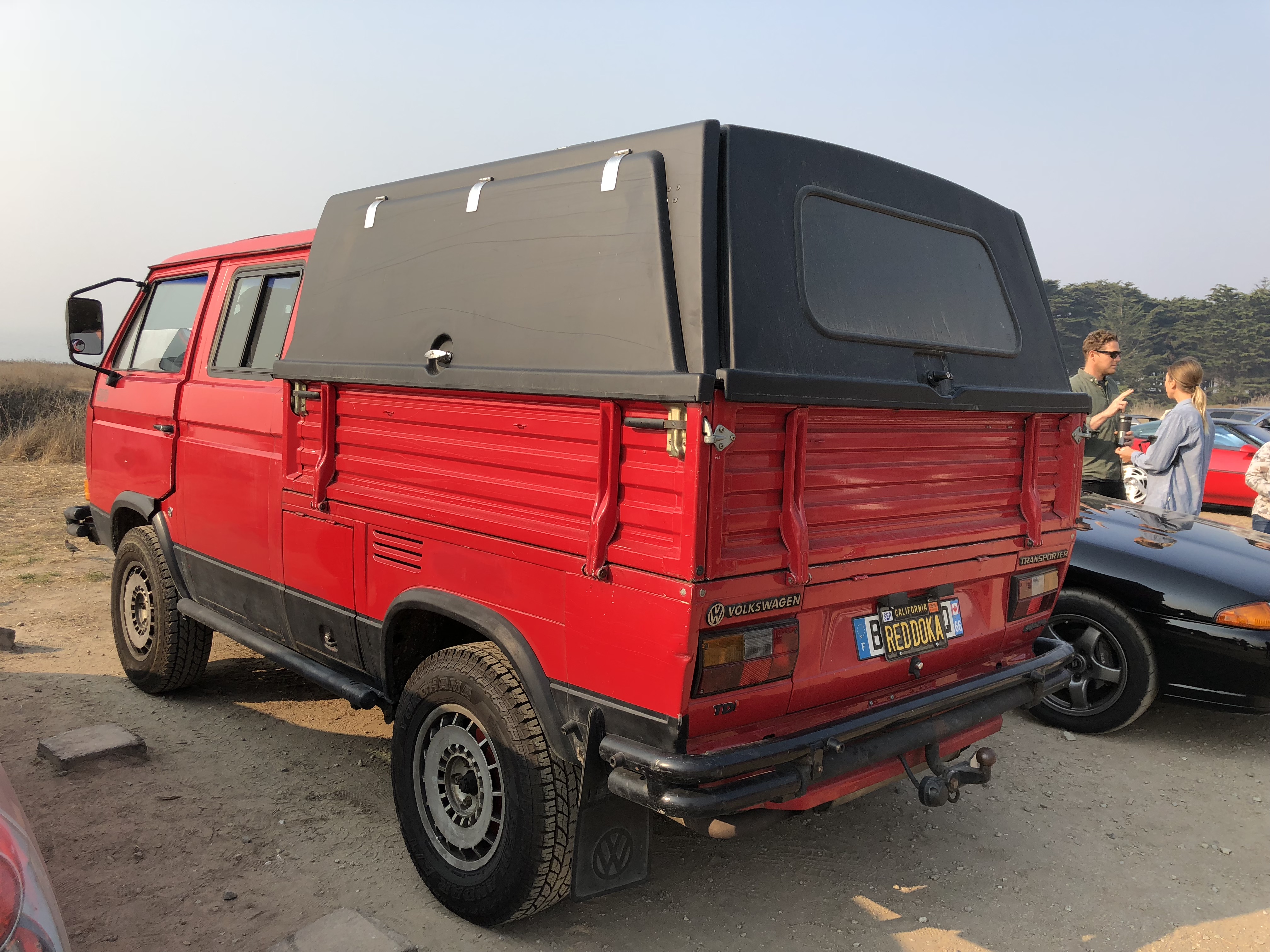
Ferrari F355 (manual!) and a Doka:
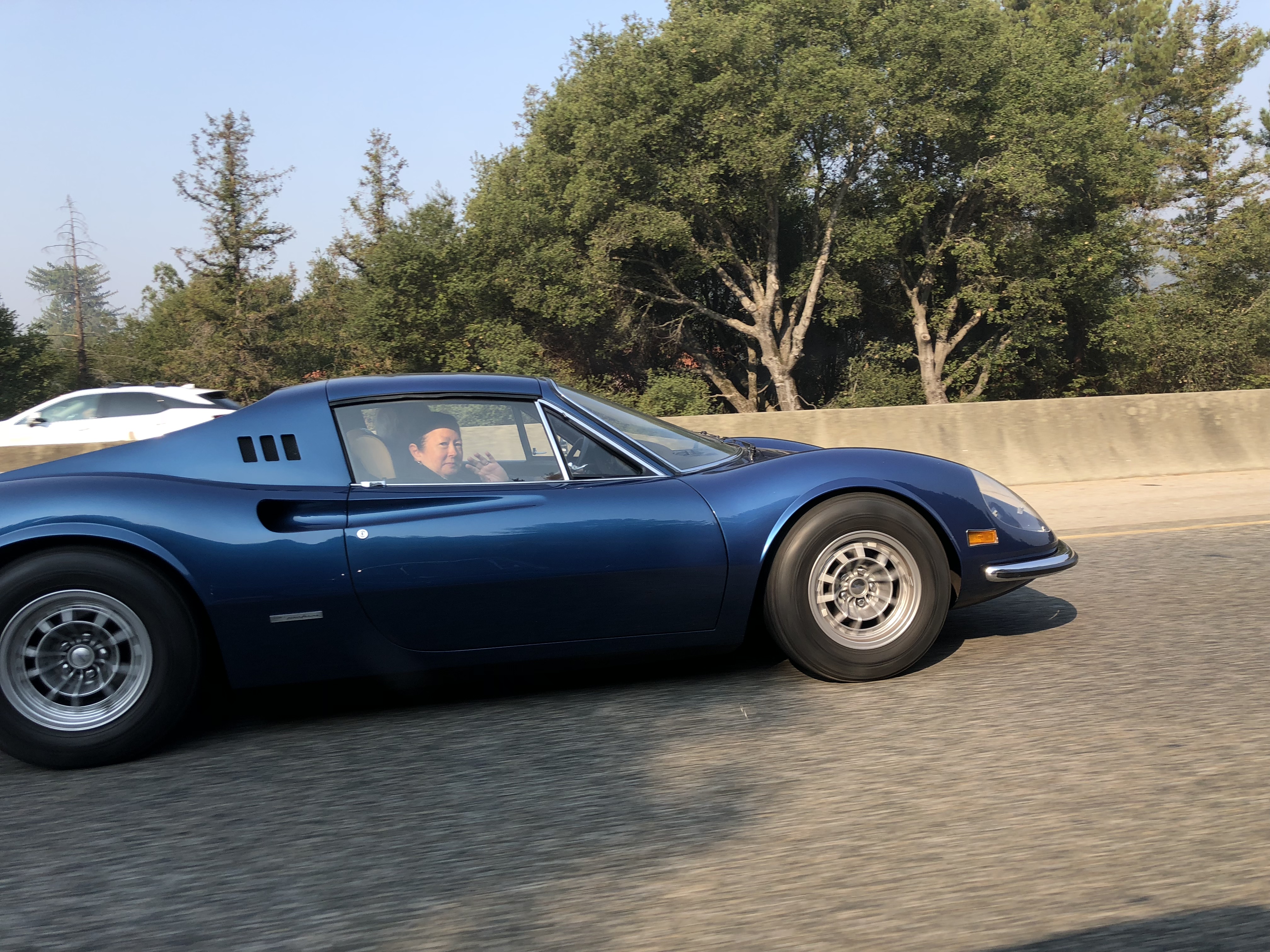
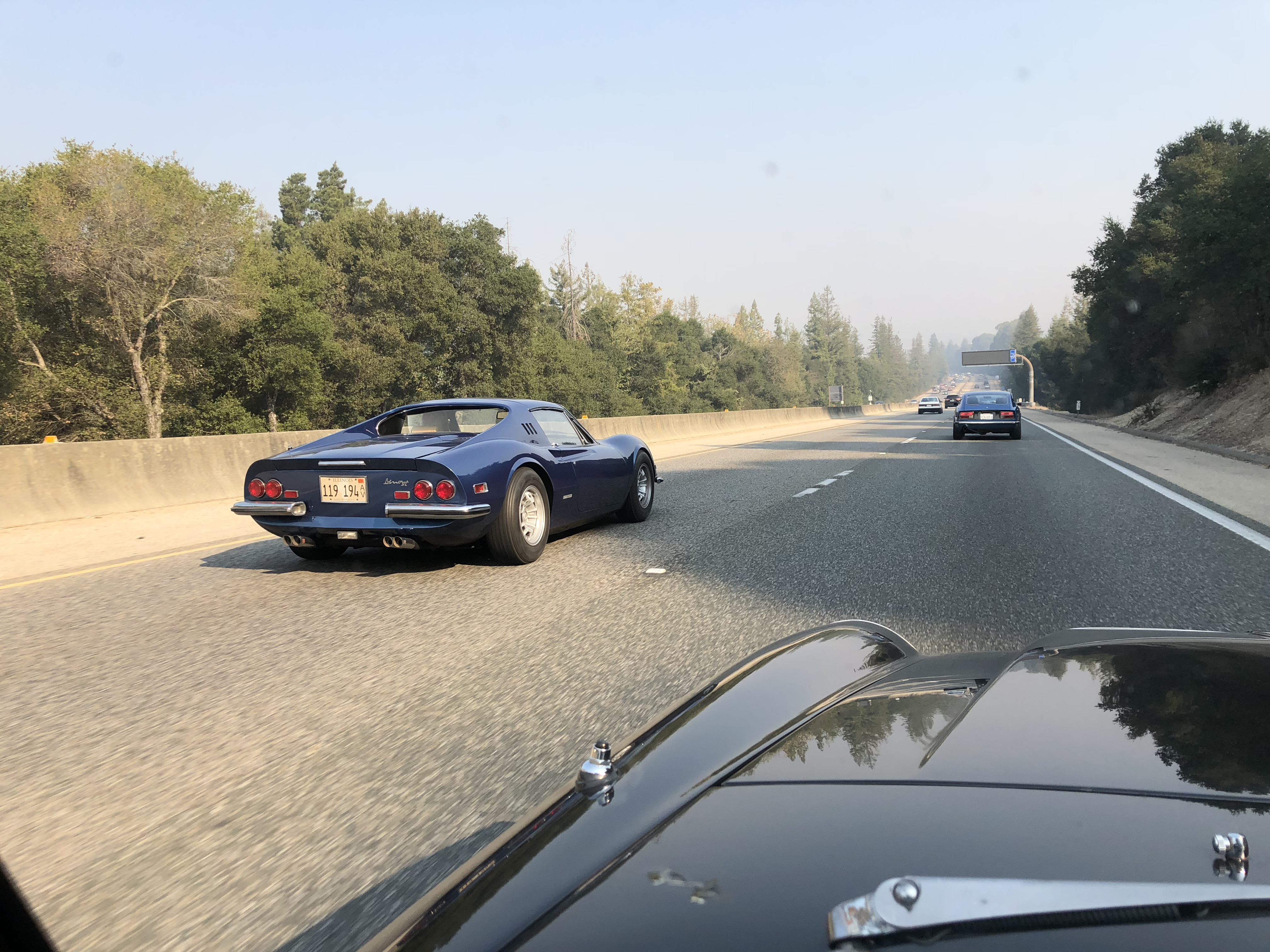
I spotted a Dino 246 on the way back, this couple was doing it right!
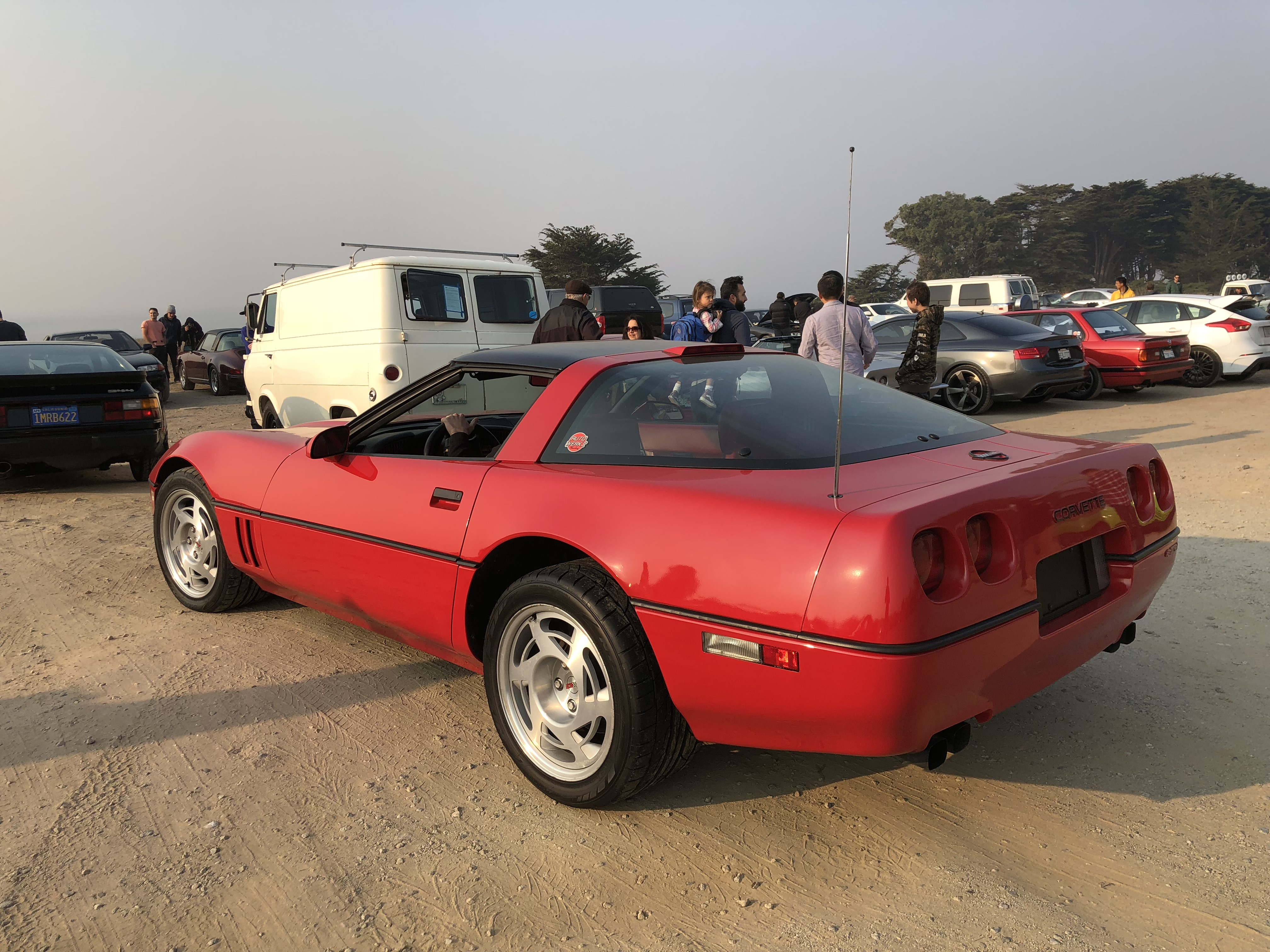
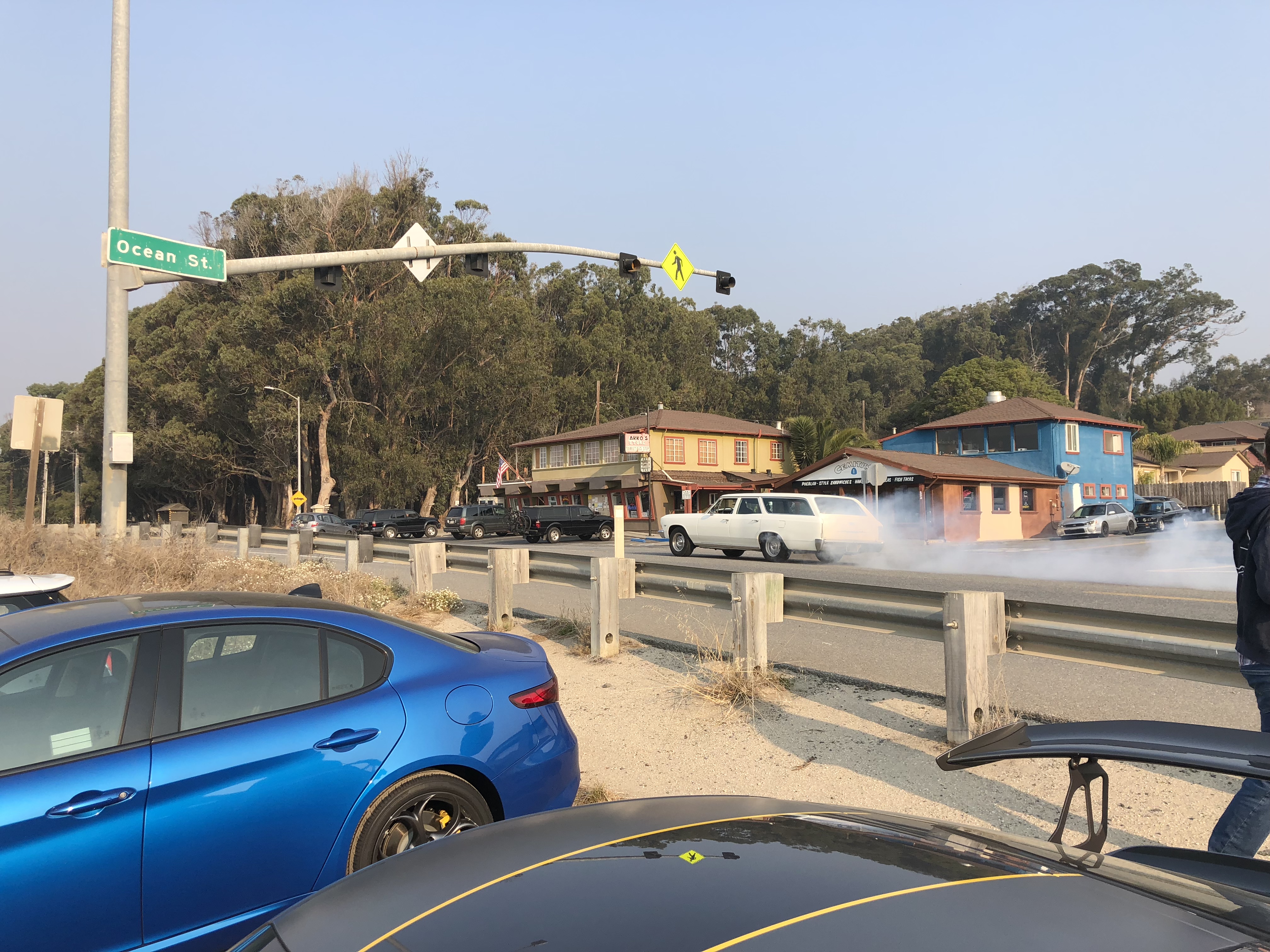
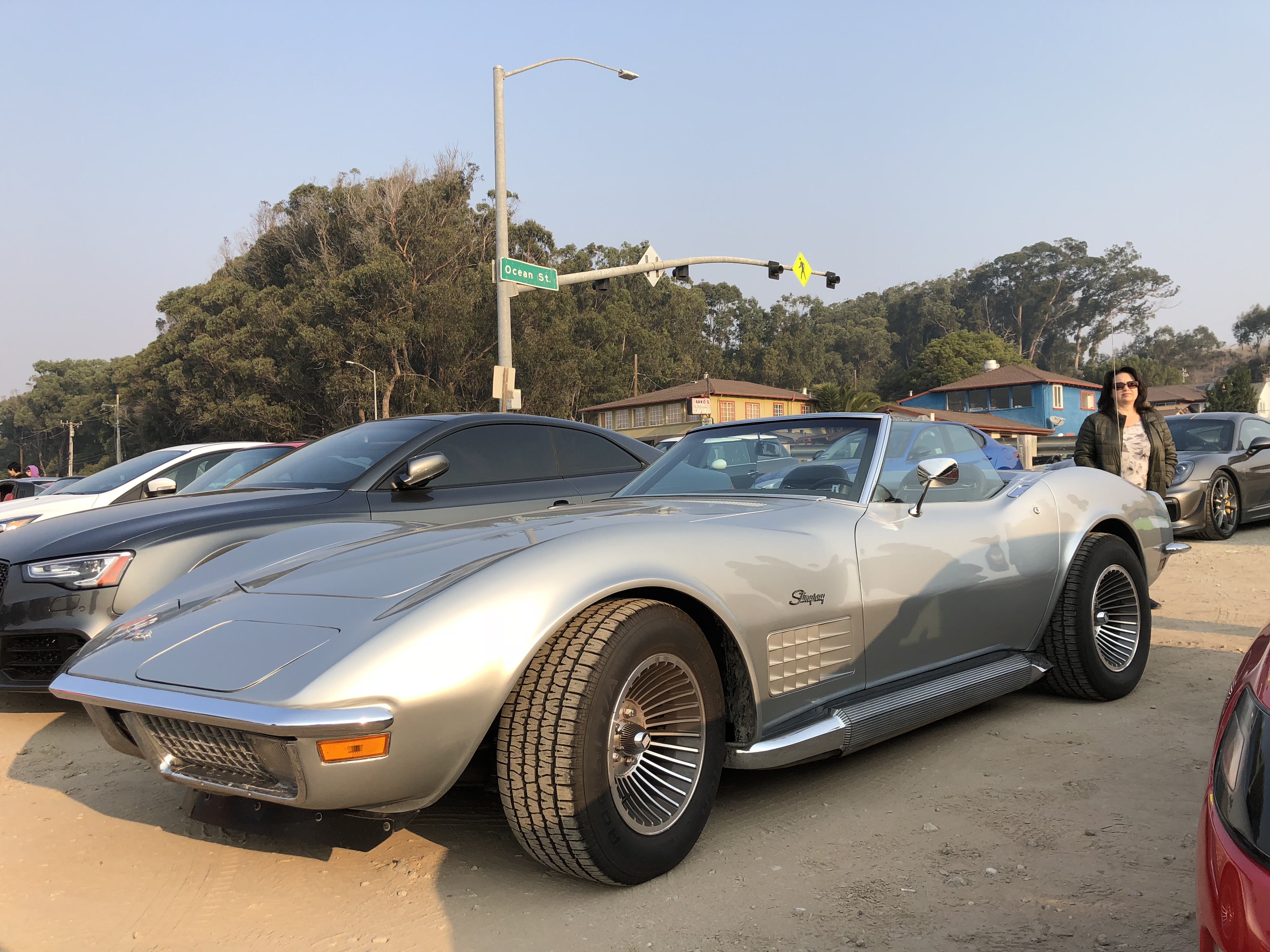
American Muscle was also present. Here is a C5 ZR-1, recently won from our friends at BringaTrailer.com! Pretty C3 Vette, and a GM wagon displaying some power…
Cool cars could be found outside the main lot as well!
DWA CnC was definitely my kind of cars and coffee. It’s a great venue right on the coast across from a bakery/cafe and the cars were so diverse. They spark emotion and memories that new cars just can’t match. We highly recommend checking it out! Thanks to the DWA crew for hosting. If you haven’t already, listen to their podcast and make sure you give them a follow on Instagram.
More pictures in the gallery below!
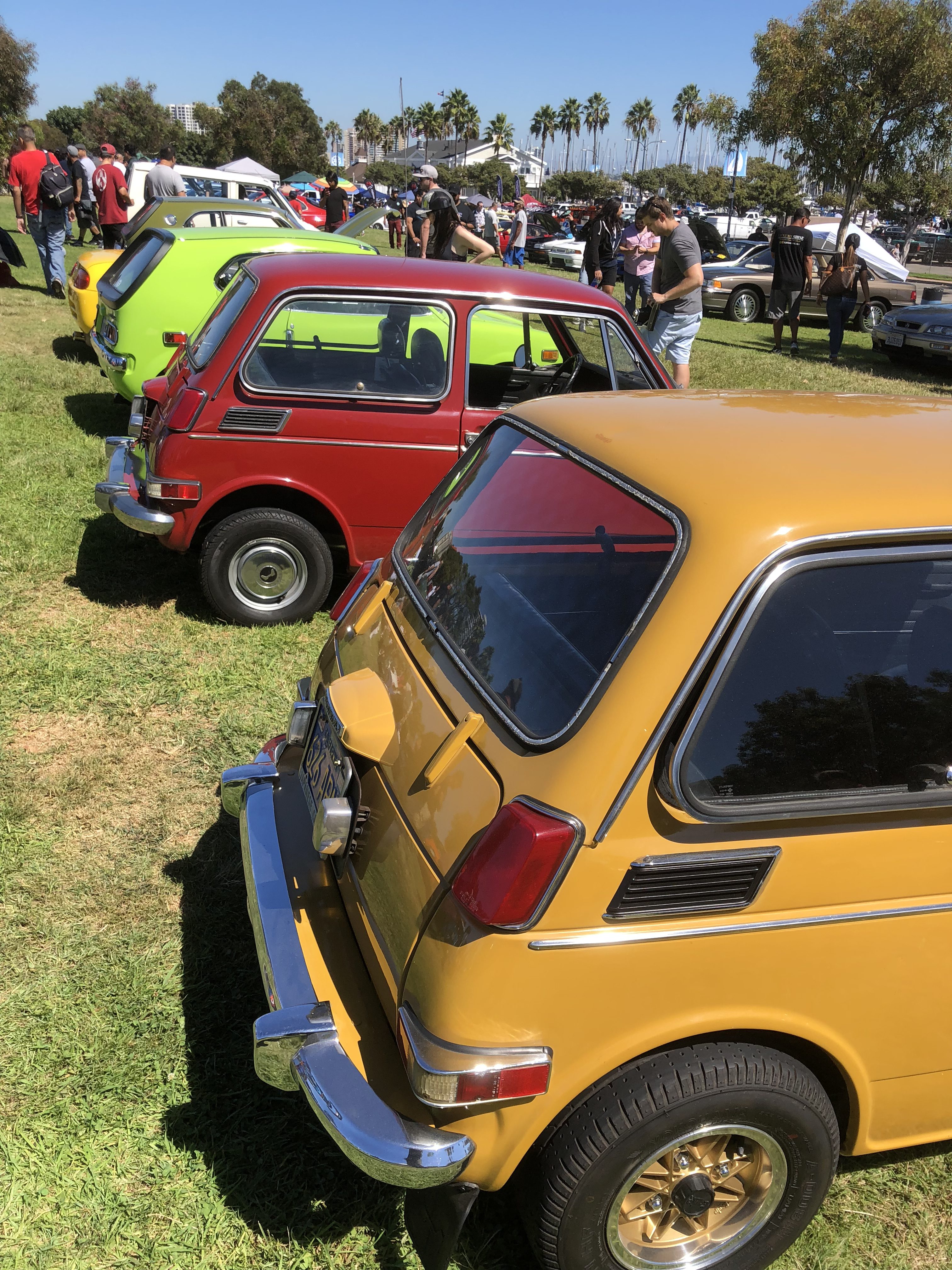
The 2018 Japanese Classic Car Show was held on September 15, in Long Beach, CA. This is the original vintage Japanese-car event in SoCal and in its 14th year, JCCS has grown incredibly–over 430 cars covered the lawn of Marina Green Park. The vehicles themselves remained a fantastic blend of stock, modified and restored. This is the most important show for Japanese cars, and the Z Car Garage crew keeps coming back every year to soak up the sun, see old friends and drool over some spectacular vintage builds.
ZCG Displays Two Z Cars!
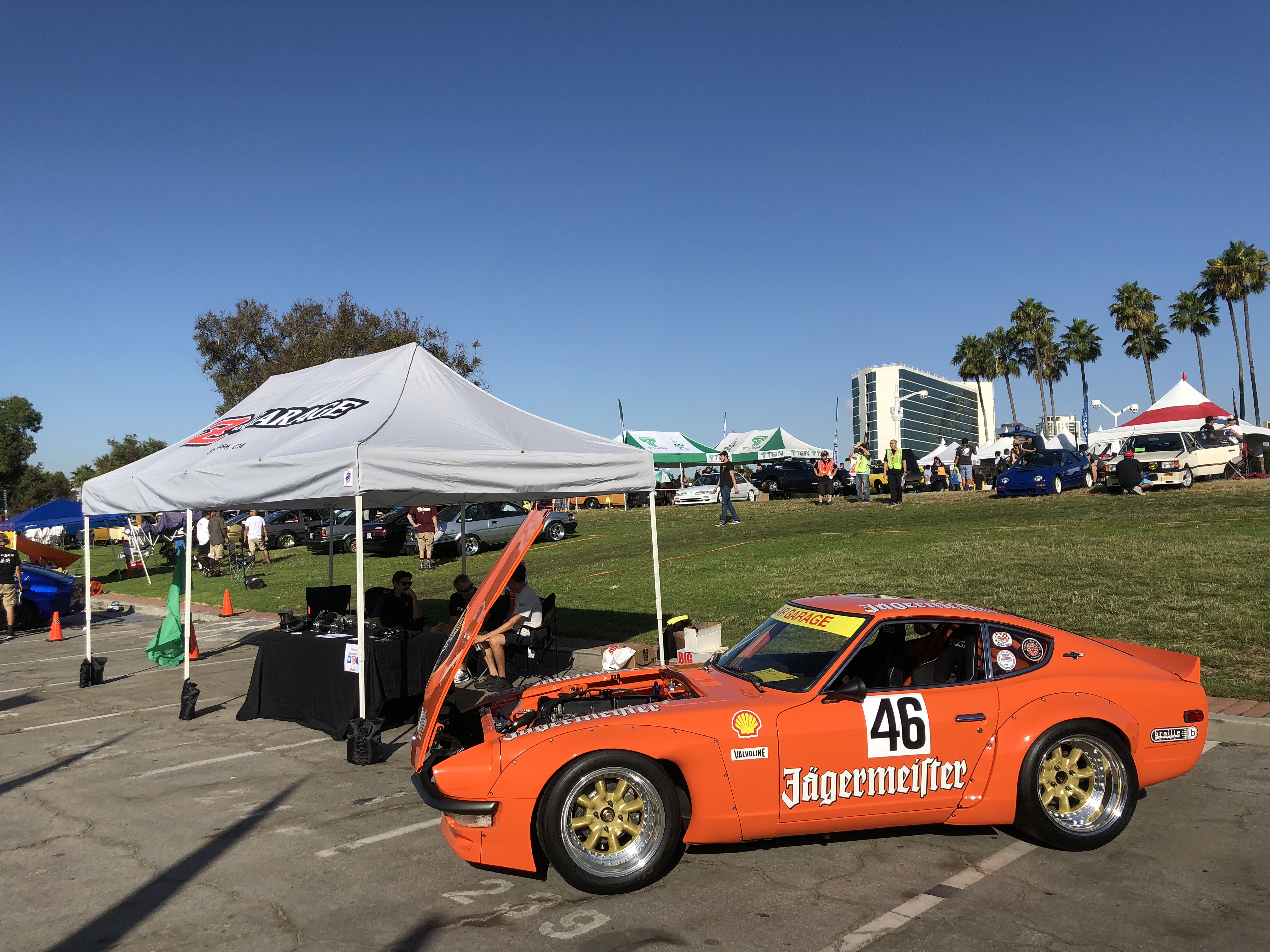
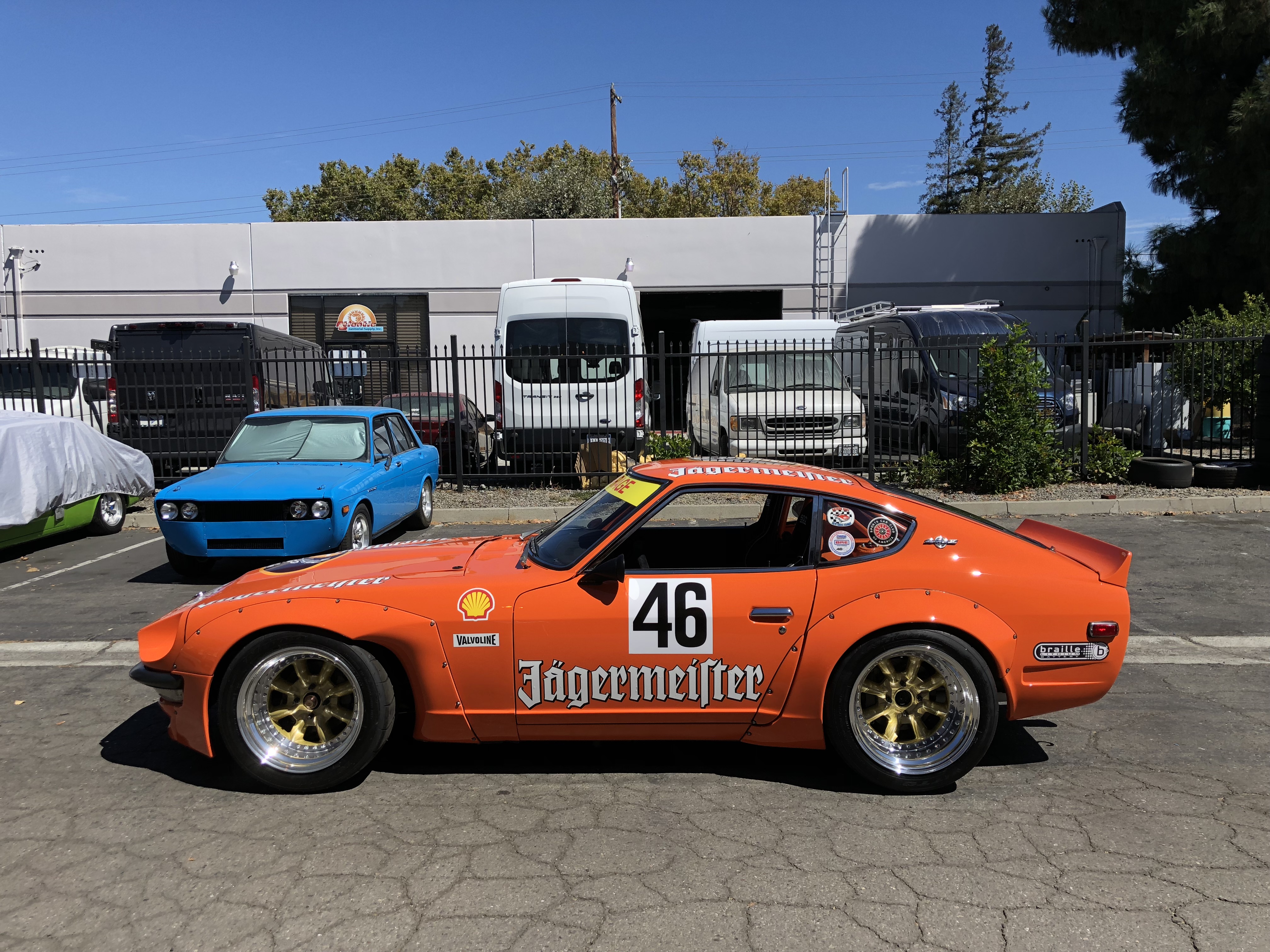
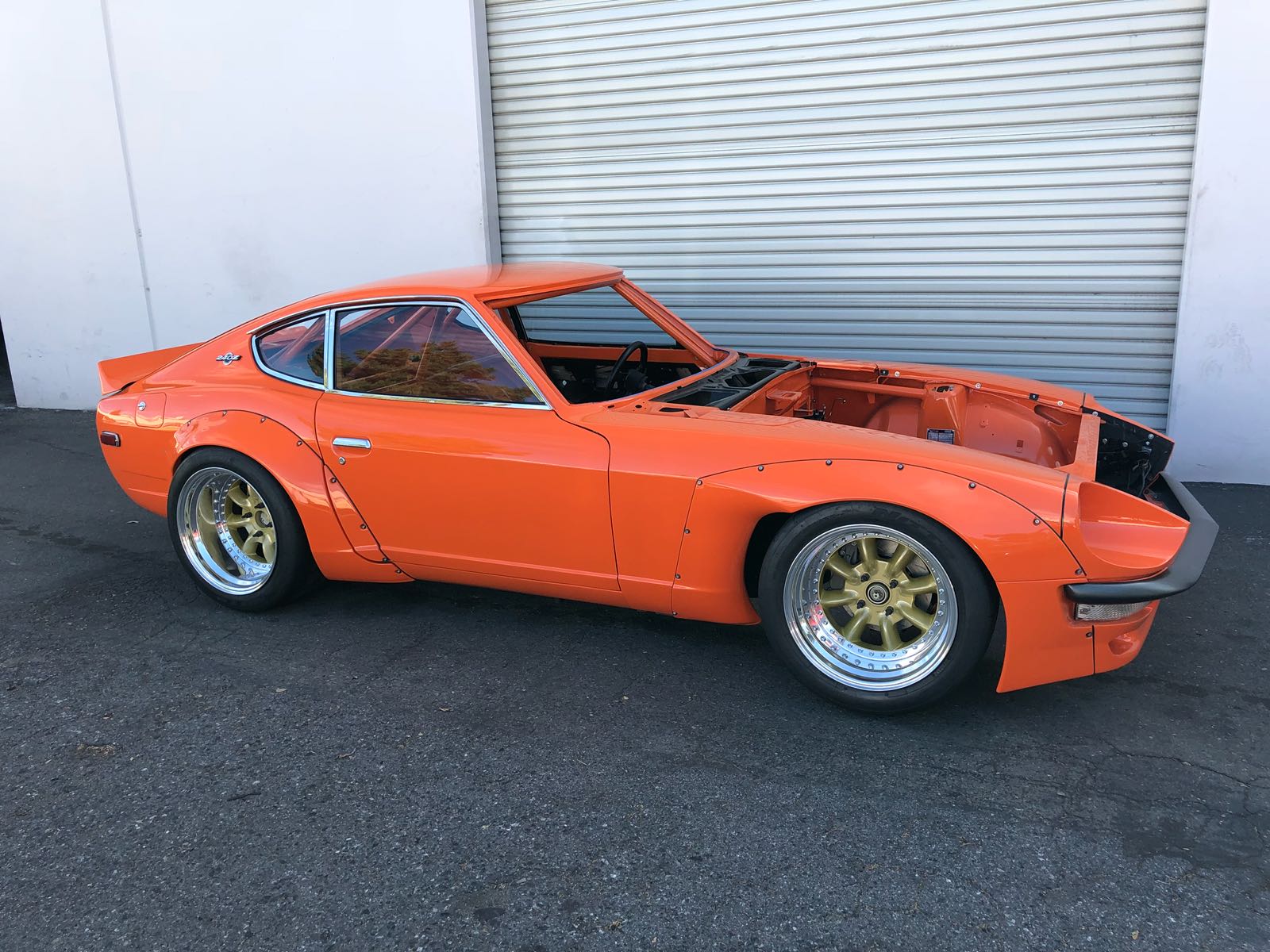
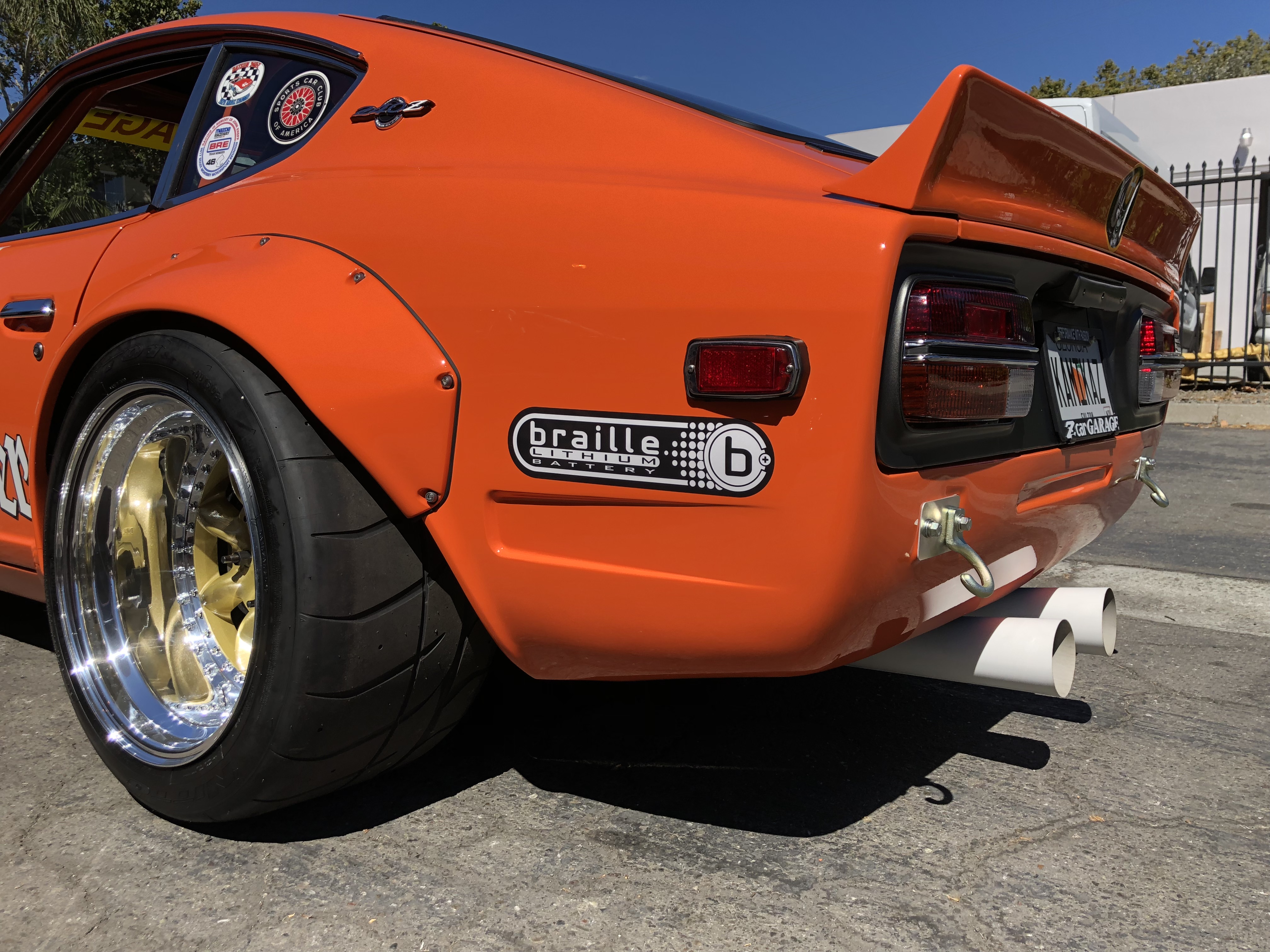
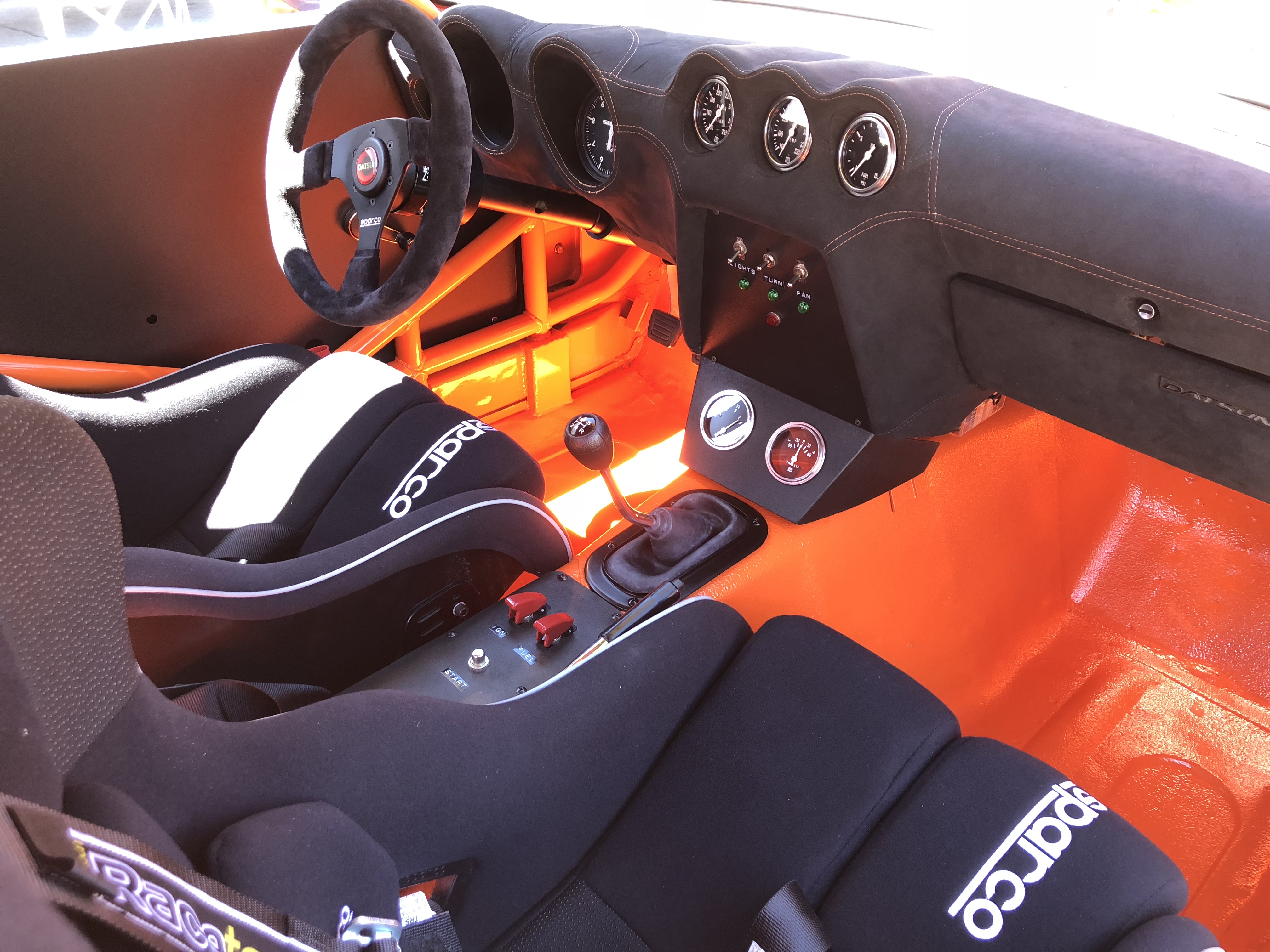
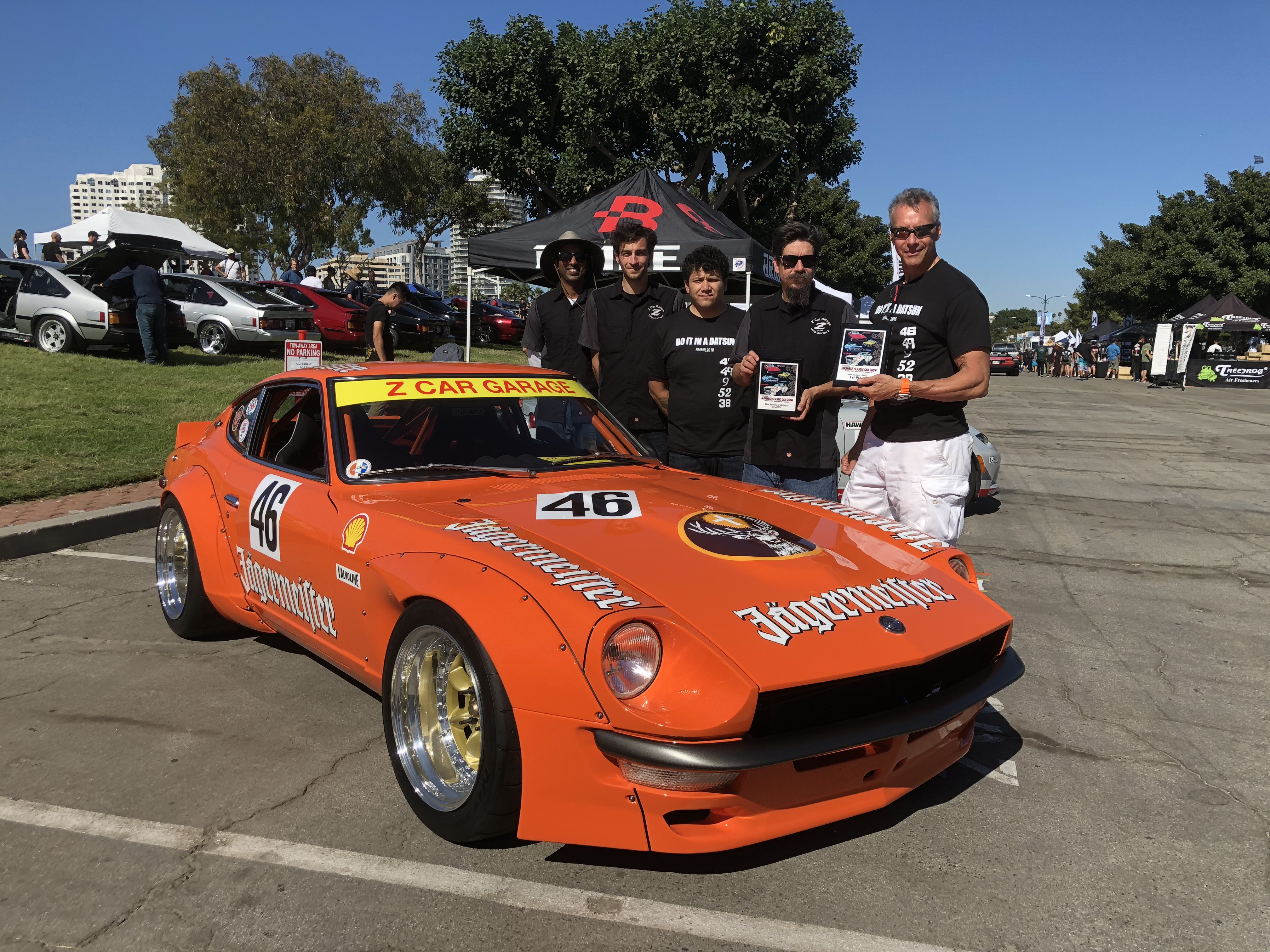
Z Car Garage displayed two customer cars at the show: Randy Jaffe’s 1970 Datsun 240z and James Stevens’ 1972 Datsun 240z. Randy’s Z was completed in time to be our booth car. This Series 1 S30 started as a project car 4-years ago with paint/bodywork performed by Bryson Richards of Classic Livery. The Z was shipped to us from Georgia for finishing Randy’s vision of a wild show/go race car:
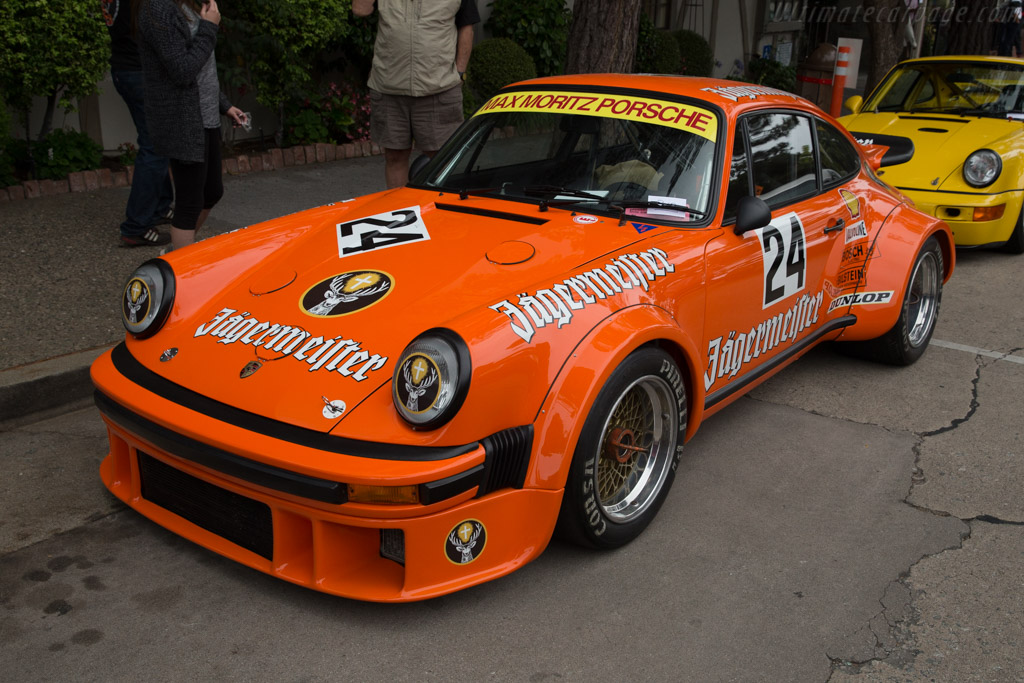
Inspiration for the Jagermeister livery came from Randy’s obsession with Porsche, and the Max Moritz Racing Porsche 934.
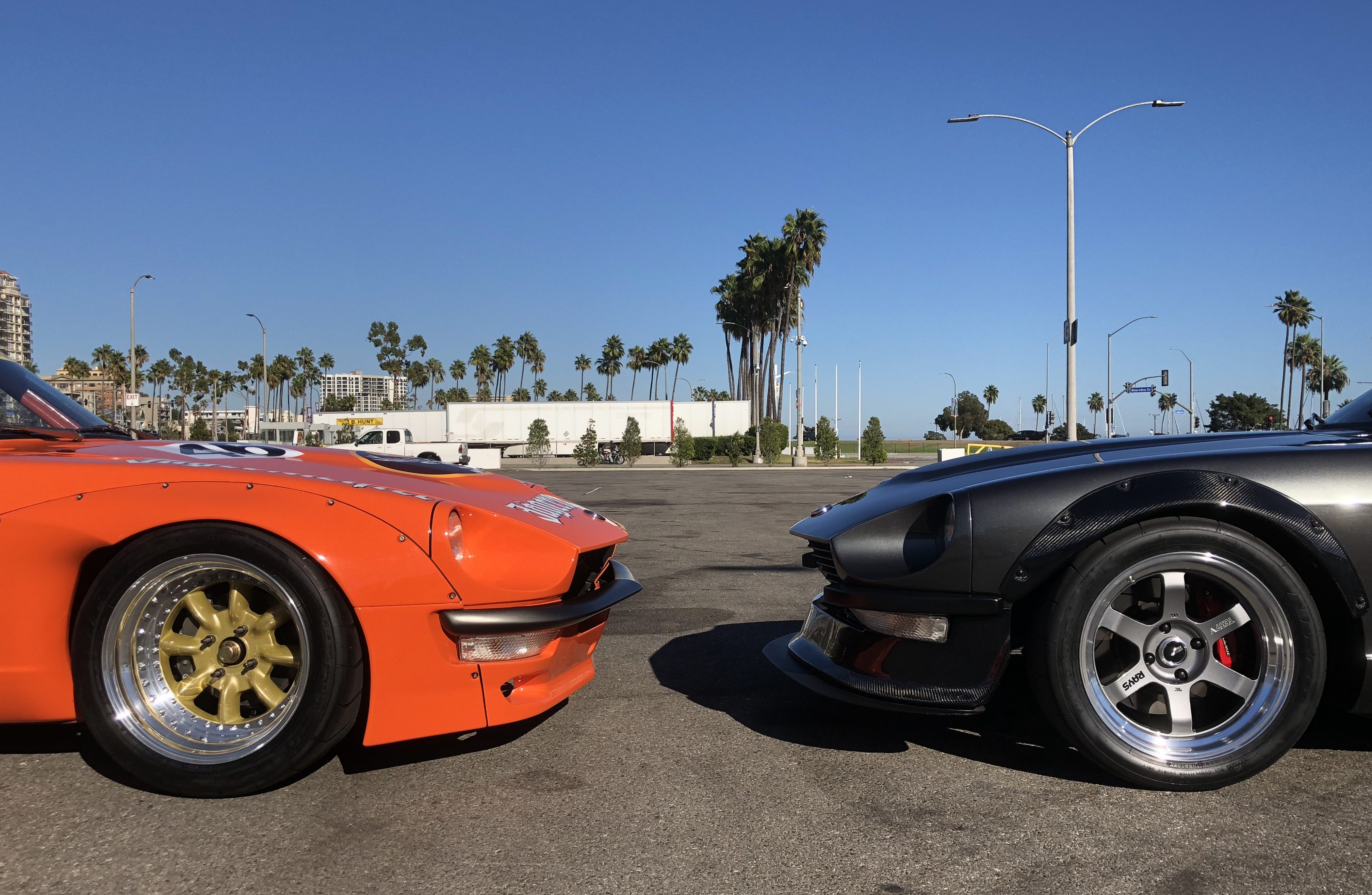
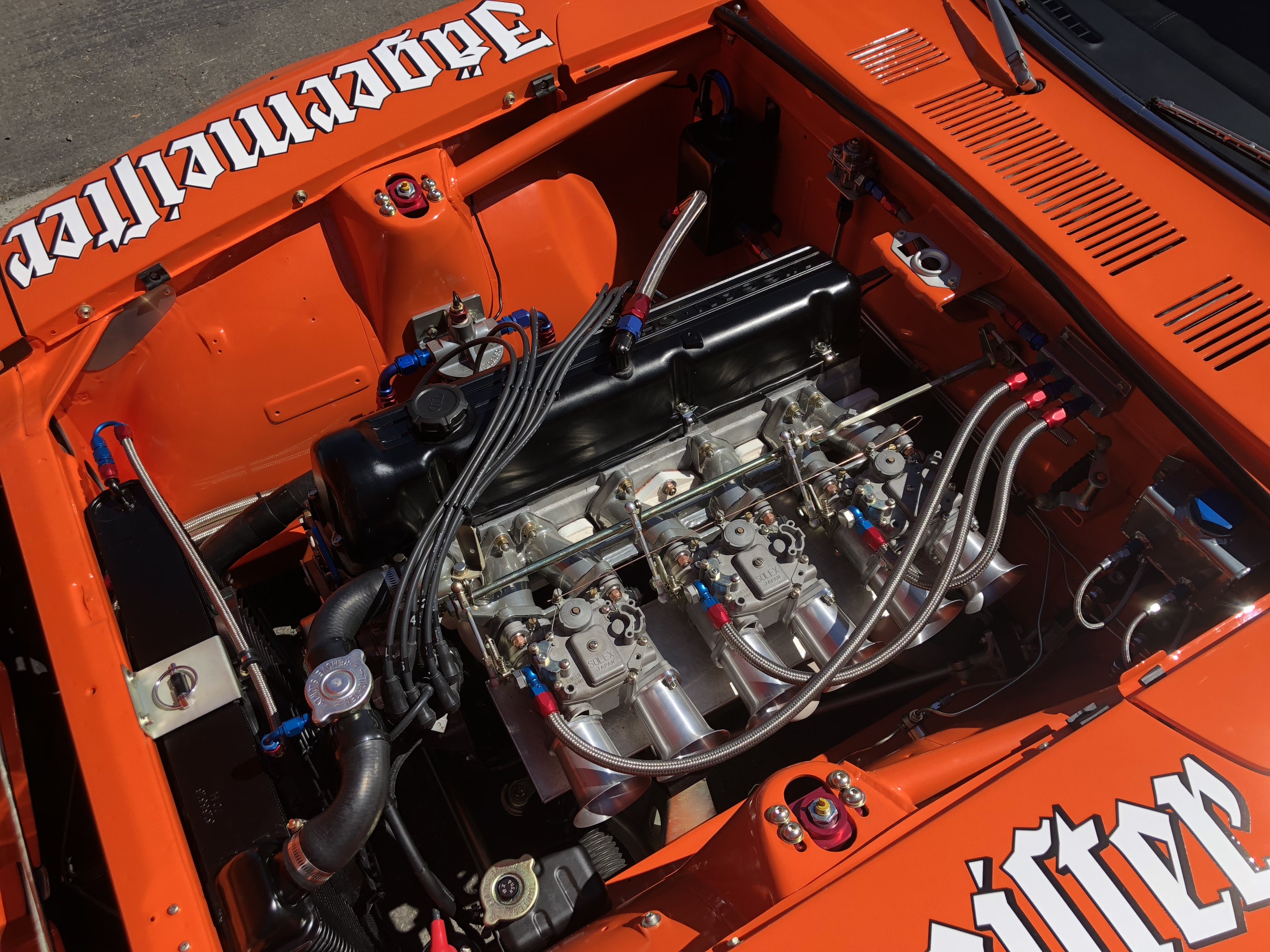
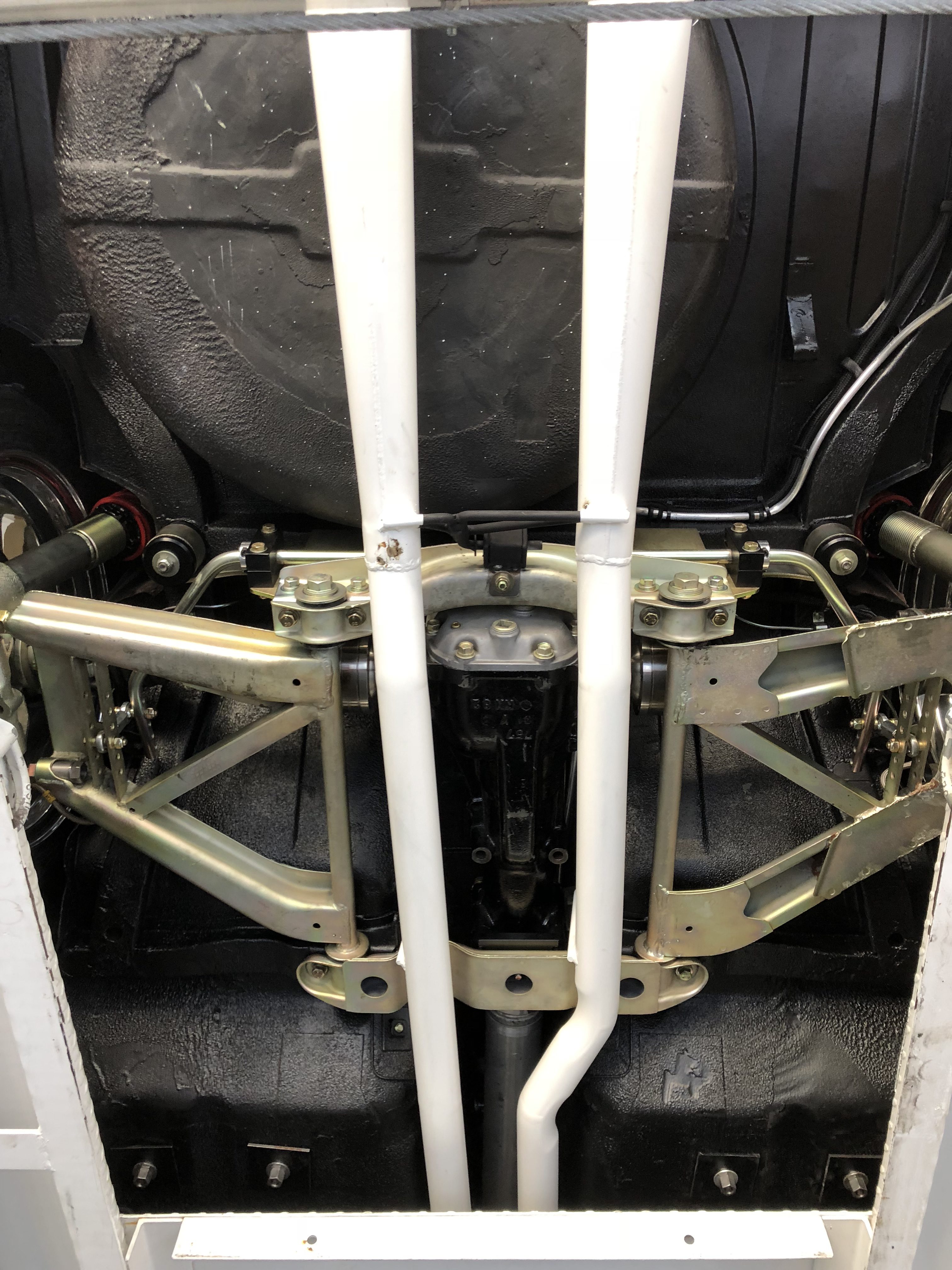
We will take an in-depth look at this Z in separate post, but here are a few key details. Providing room for the 275/315-width tires is an authentic Pandem Rocketbunny aero kit. Randy channeled his passion for racing into this build and the chassis is virtually identical to his #46 BRE Datsun 240z, using zinc’d DP Racing suspension parts. The engine is a big displacement L-series running 13:5:1 compression, triple-Mikuni ph44s, a Fujitsubo header and glorious BRE-style exhaust. Running gear includes a close-ratio ZX transmission, OS Giken LSD for the 4.11 R180, our ZCG CV Axles and ZCG Big-Brake Kit (race version).
We are happy to report that Randy’s Z won 1st place, Best 240z in a class filled with incredible Z cars!
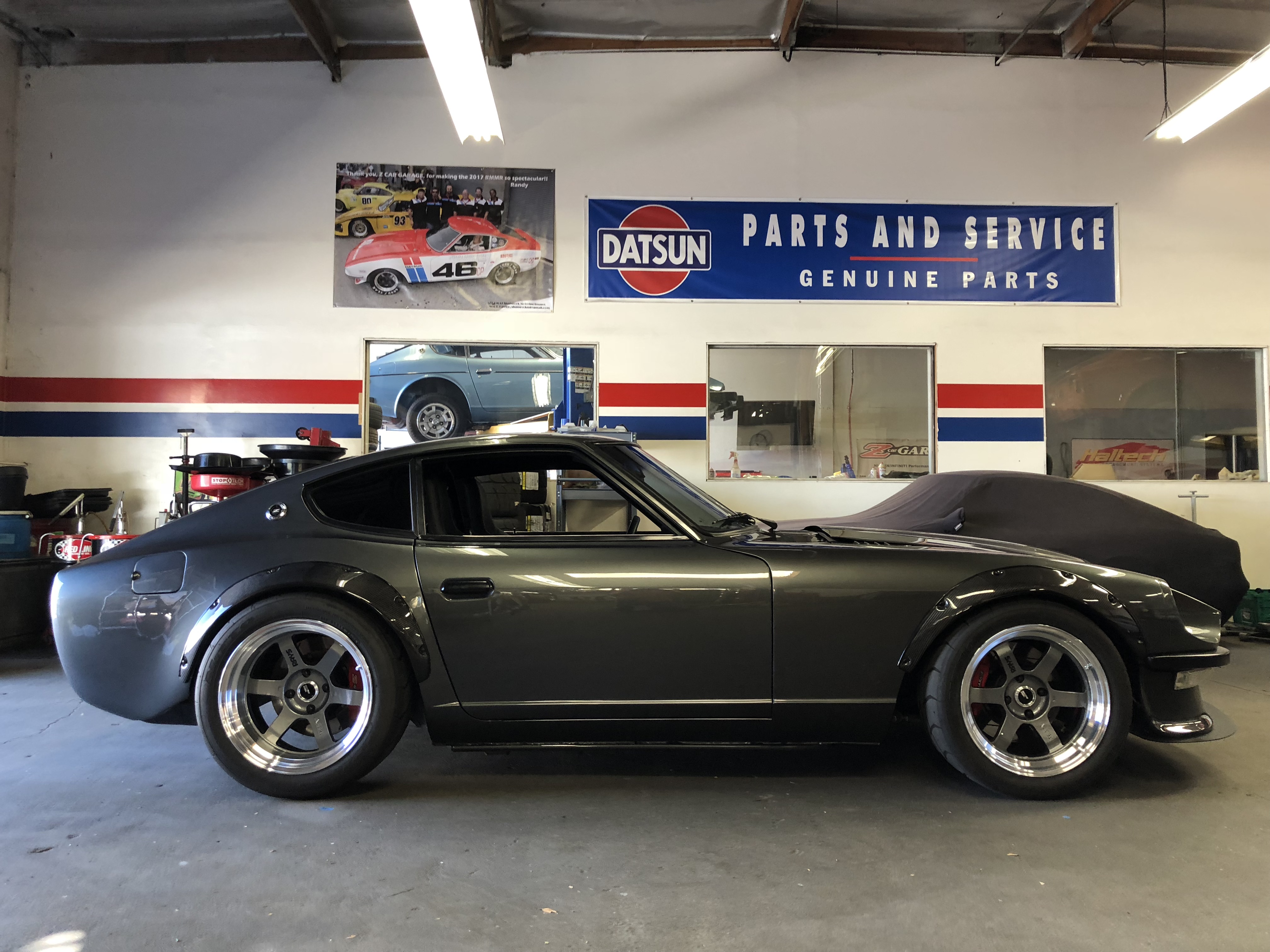
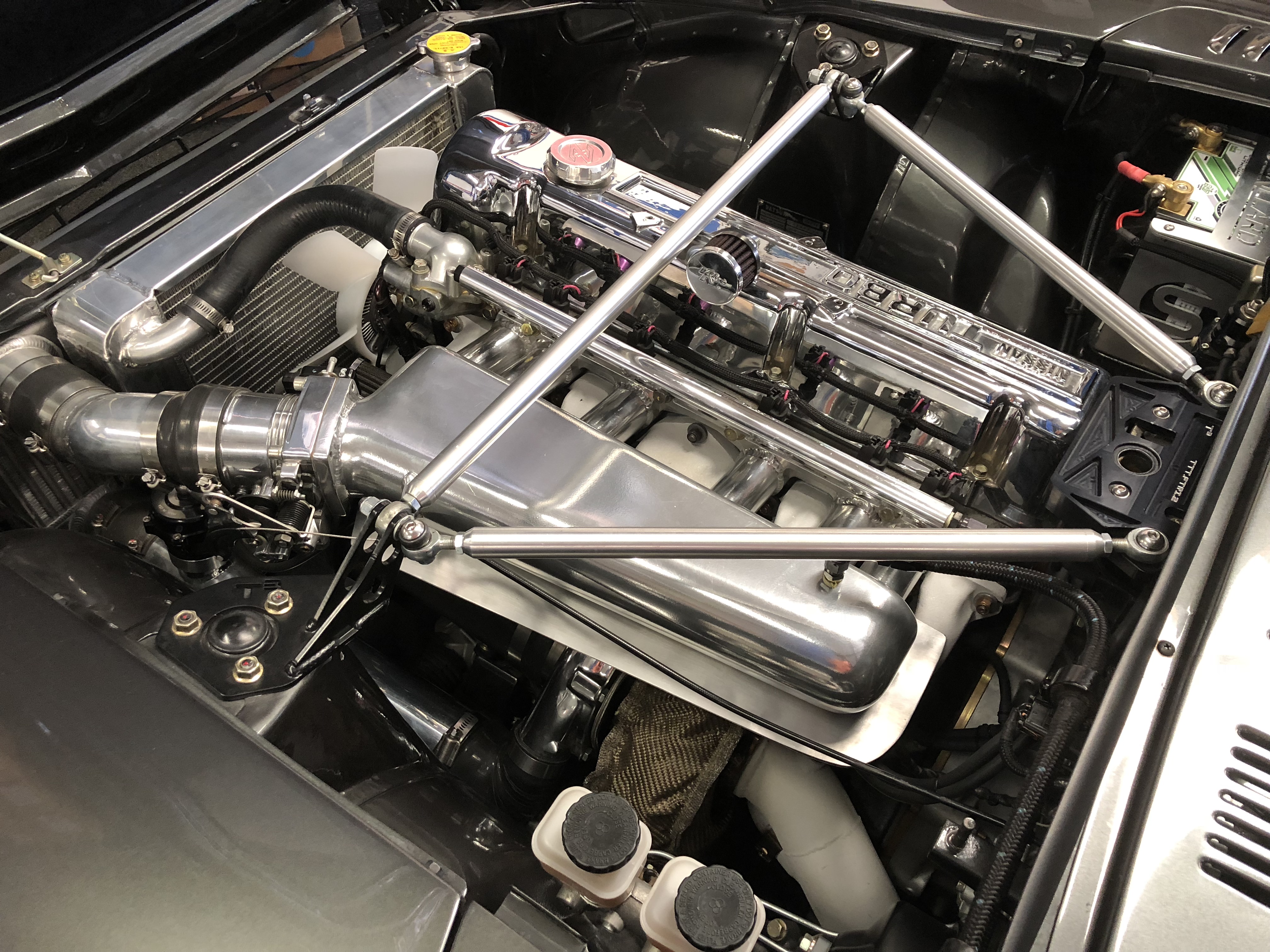
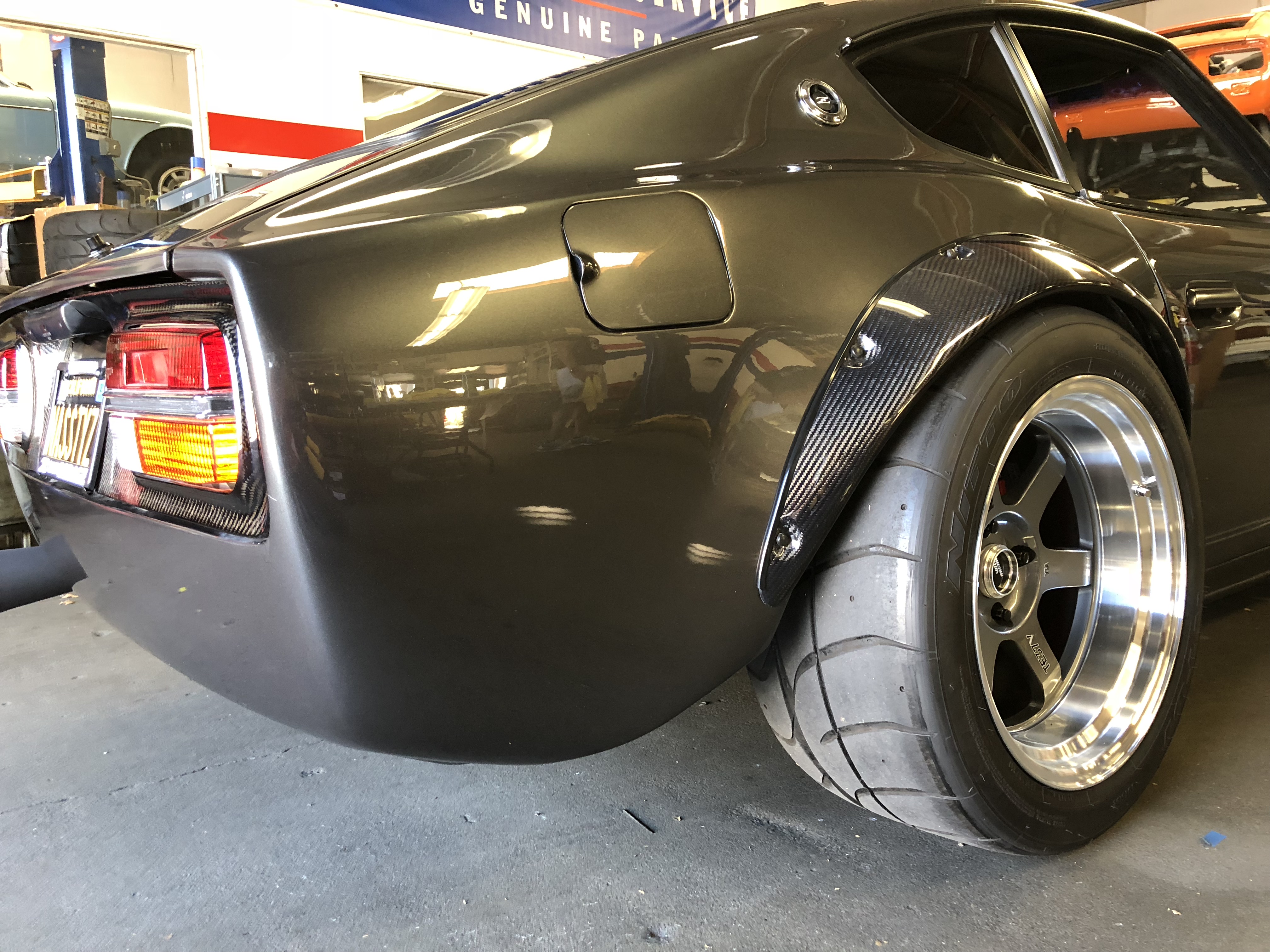
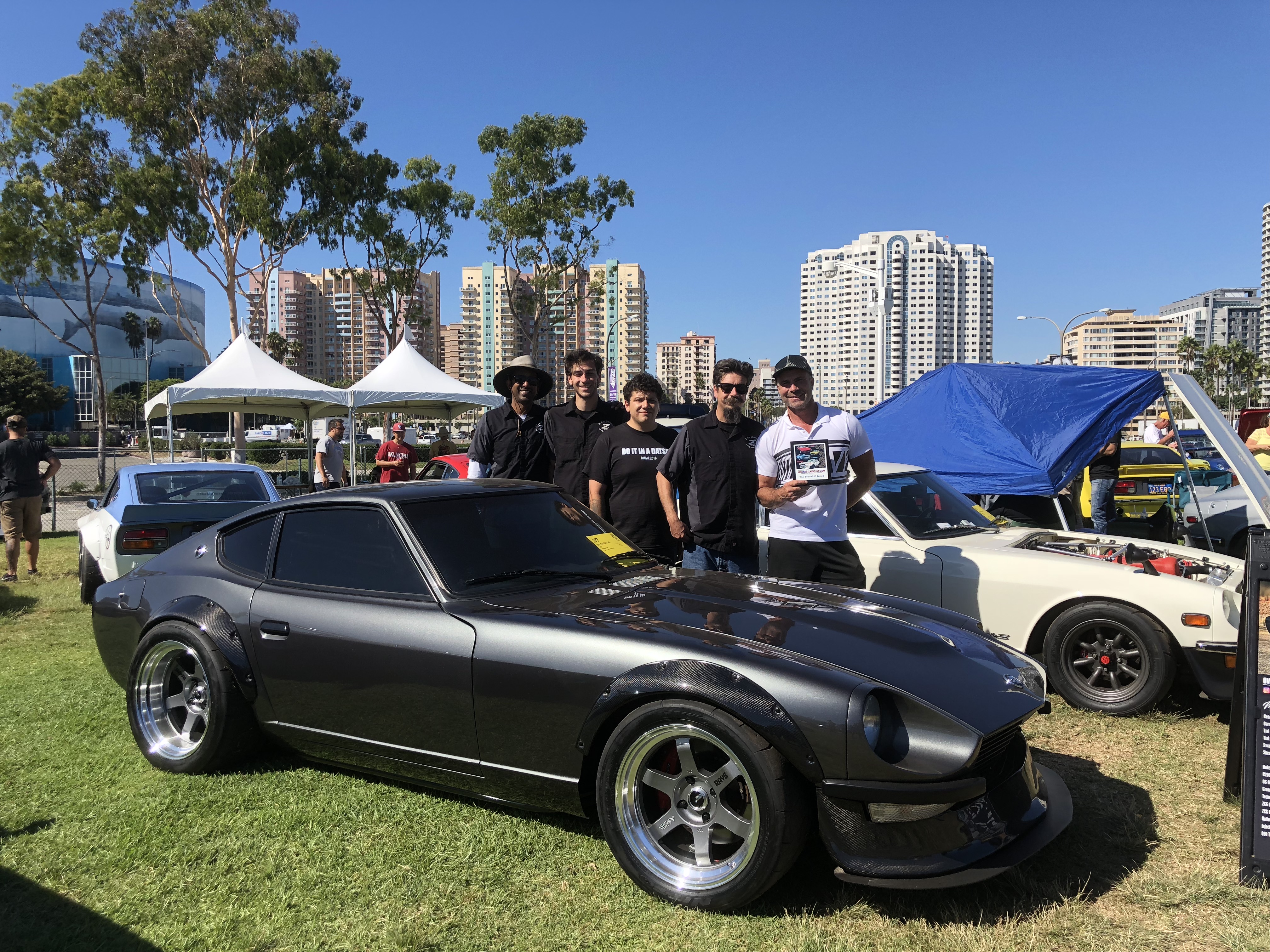
James’s 1972 S30 was displayed with fellow Z car owners in the show. At the heart of this beast is a turbocharged L-series managed by Haltech. Chassis upgrades include custom full-length subframe connectors, our ZCG CV Axles and Big-Brake Kit (328mm) behind Volk TE37V wheels.
A stack instrument cluster was integrated into the gauge pod, viewed from leather Recaro Pole Position seats. This Z has a very unique sound. We recently tuned it on E85, dyno results and videos coming soon!
We are very happy for James as he won the award for Best of JC Speed!
Stay tuned for in-depth reports on both of these Z cars coming to zcarblog.com.
Showtime!
Our friend and talented racer Troy Ermish transported both of our Z cars (and his 510) down to Long Beach Friday afternoon. Below is a video of the Z’s loading from the shop:
We unloaded early Saturday morning from the expansive parking lot near the new venue in Marina Green Park. Immediately we could tell this location was larger and more vendor-friendly than The Queen Mary of past shows. Our booth was situated in a great spot, at the mid-point of the show with our neighbors from OS Giken. …[read more]